

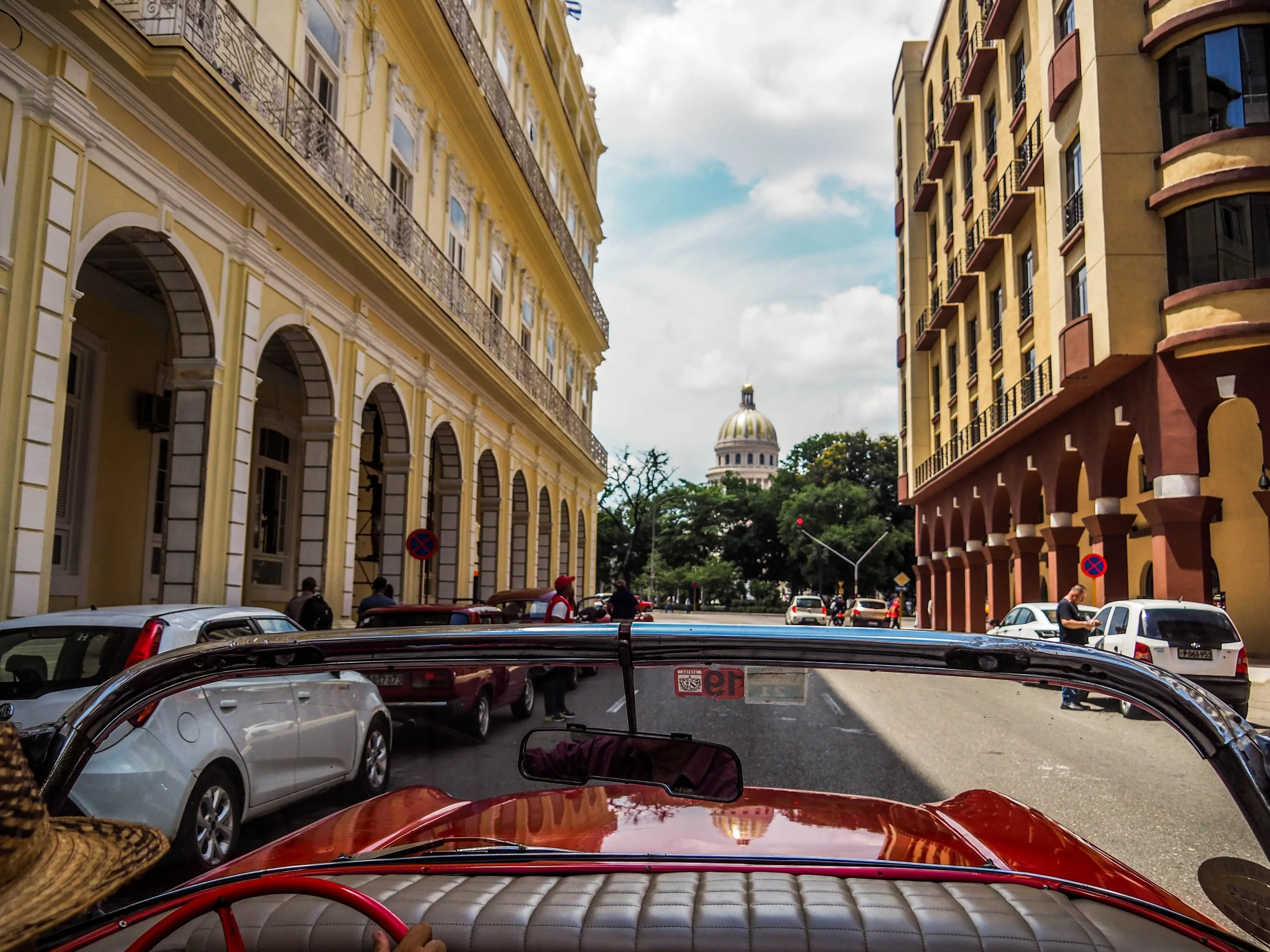
Havana is the bustling capital city of Cuba. More than 500 years old, the entire city of La Habana Vieja has been declared a UNESCO Heritage Site.
I recently headed to Cuba—it was this year’s birthday destination.
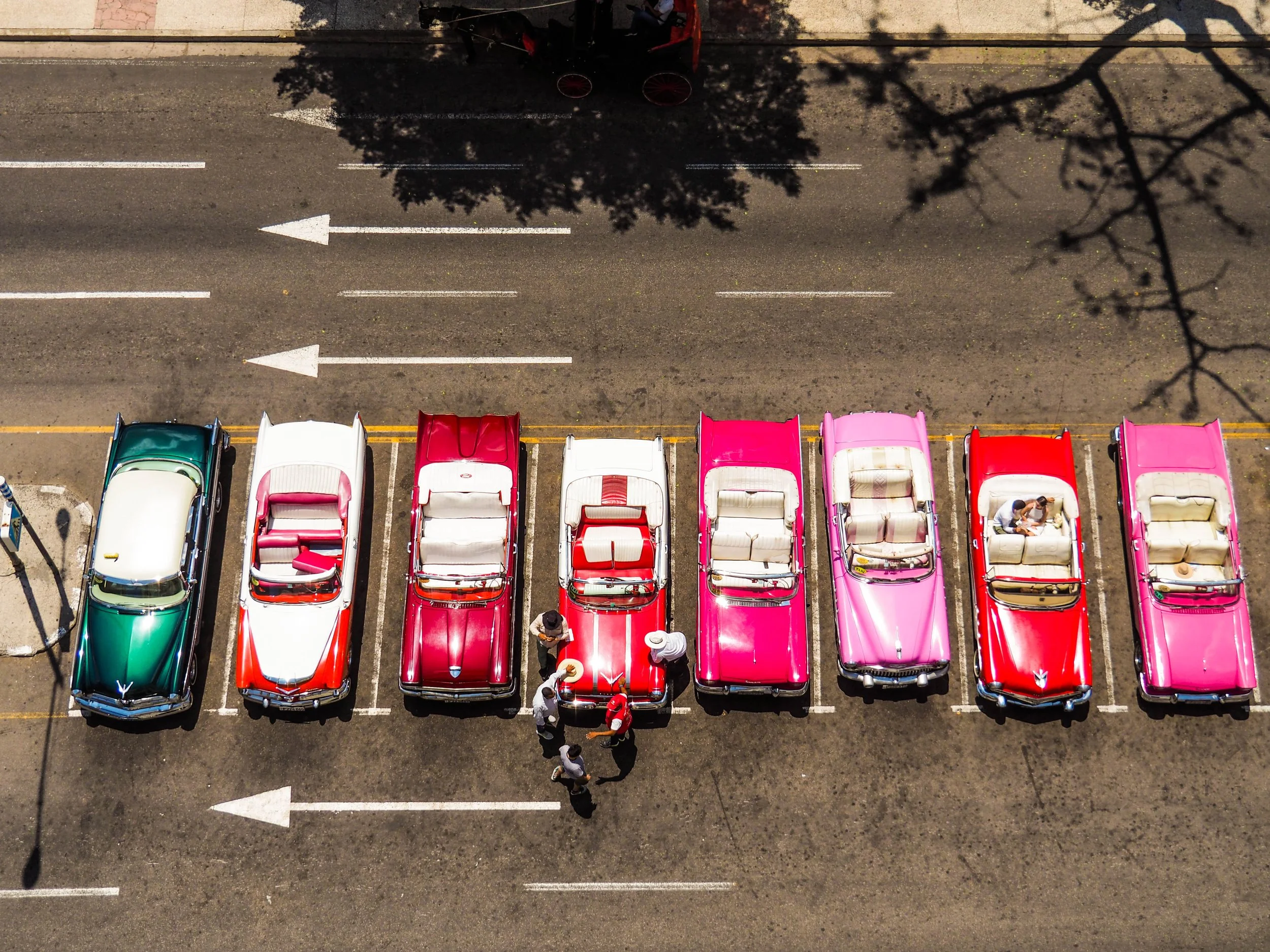
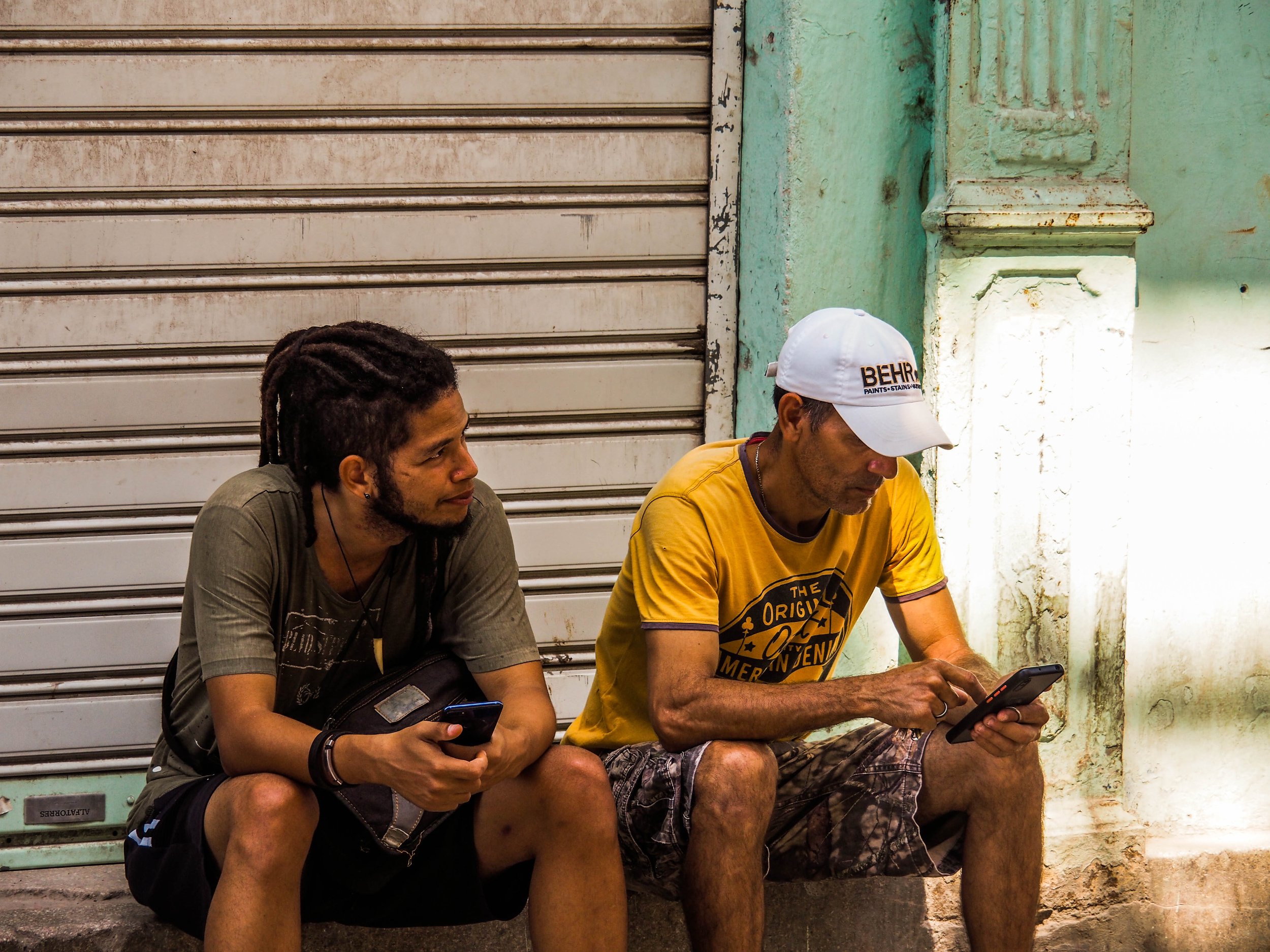
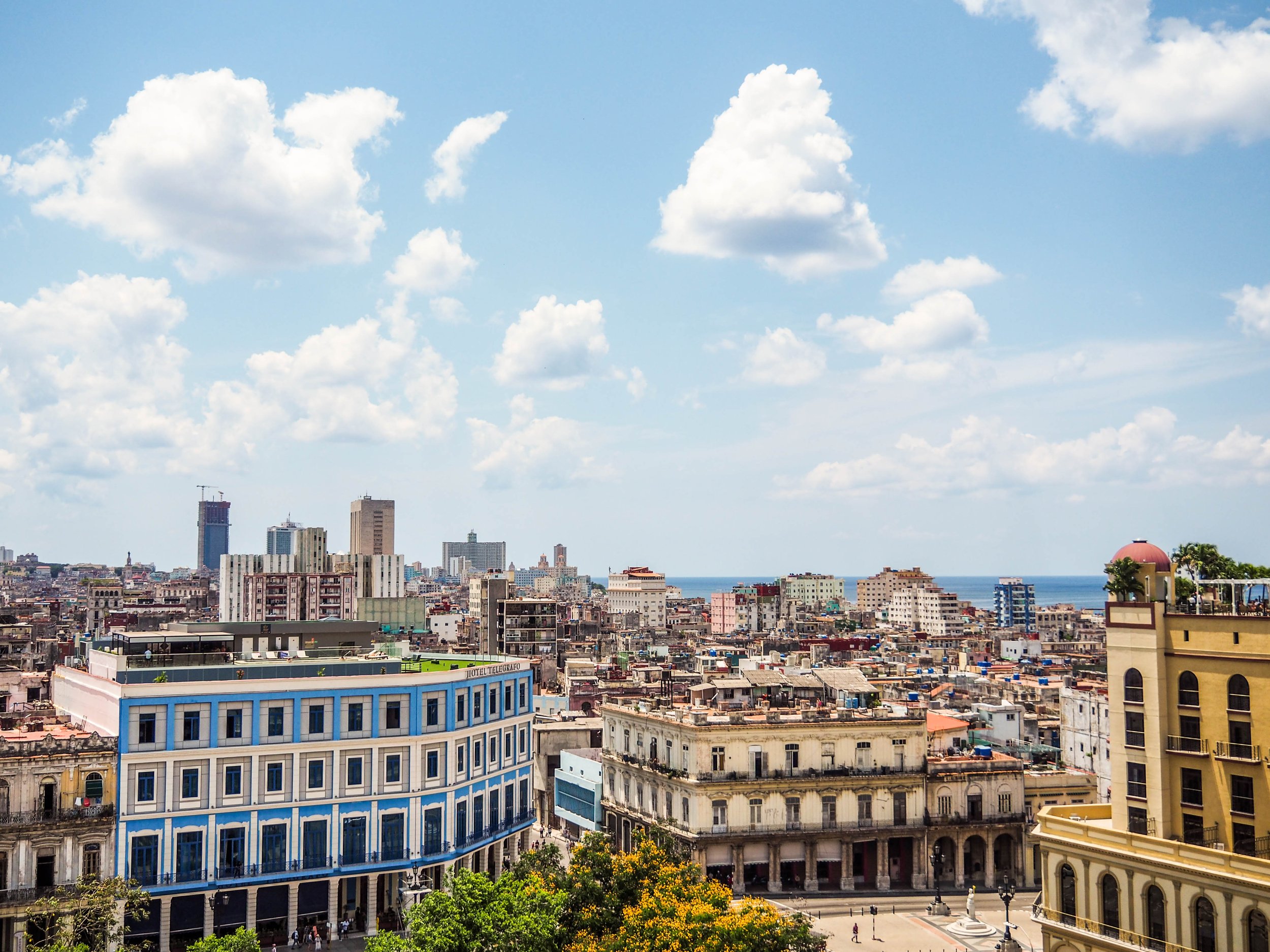
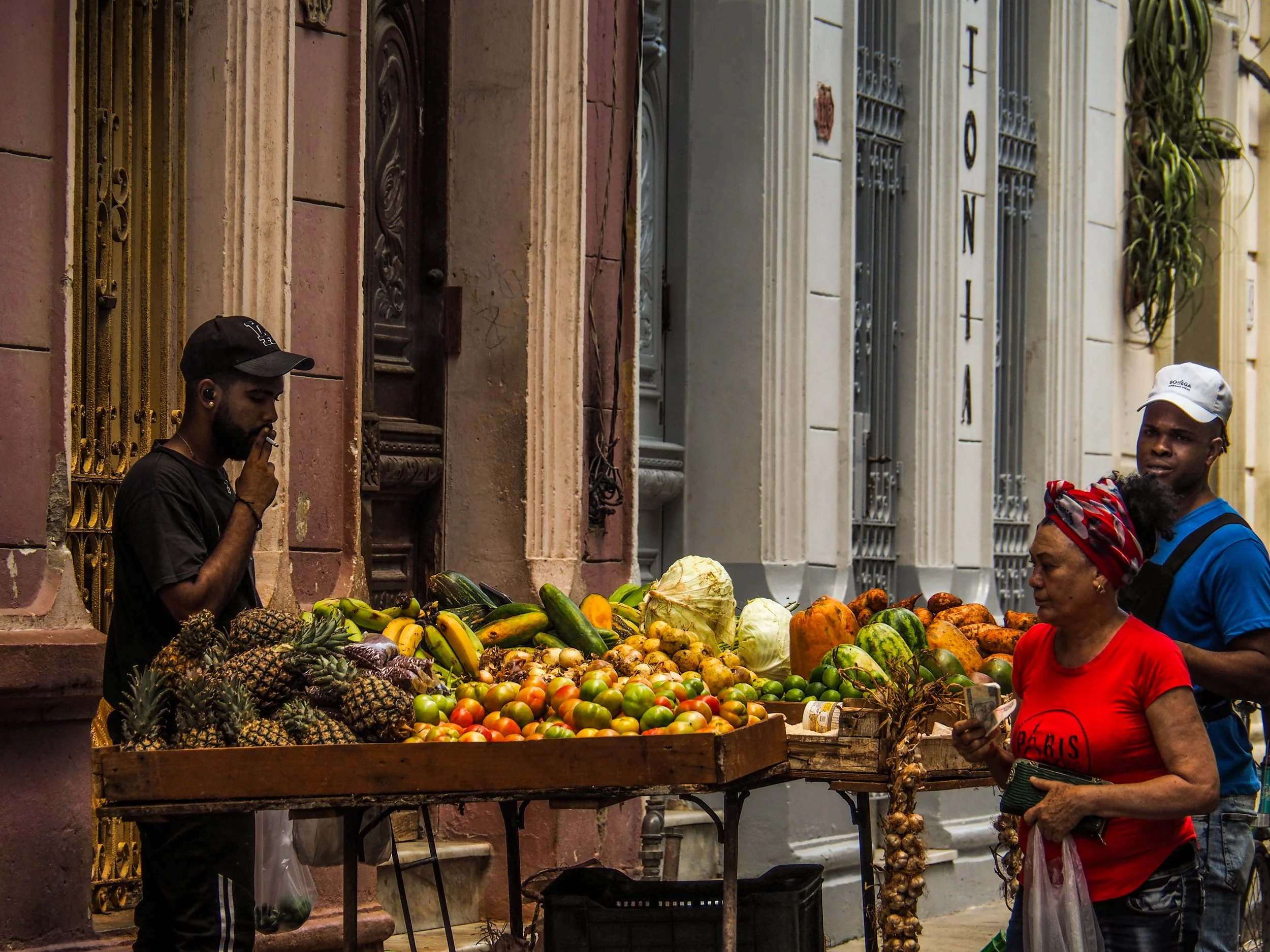
First thing to know about Havana: there are two Havanas. The 3-block Old Havana that has been cleaned up and polished for the tourists. And the real Havana just streets away where people struggle to make ends meet and queue outside makeshift grocery stores to buy what’s available (or left) on the near-empty shelves.
If you’re heading to Cuba soon, here are a few tips or suggestions that would have helped me if I had known before I arrived in Havana.
If you’re using a US-issued bank cards, withdraw cash before you get to your airport of departure. US-issued bank cards do NOT work in Cuba, and I’ve heard stories that if you even try use your bank card, some banks put a stop on the account. Anyway, I took $1000 cash with me for exactly one week. You can exchange it when you get to Cuba, but exchange small amounts. Two reasons: There are money exchangers (actual people who change currency) almost everywhere. You’ll be asked multiple times during your visit if you want to change money. And most importantly, rather keep changing small amounts because whatever pesos you have left at the end of your trip can NOT be changed back to dollars. 1:180,000 was considered a good rate when I was there.
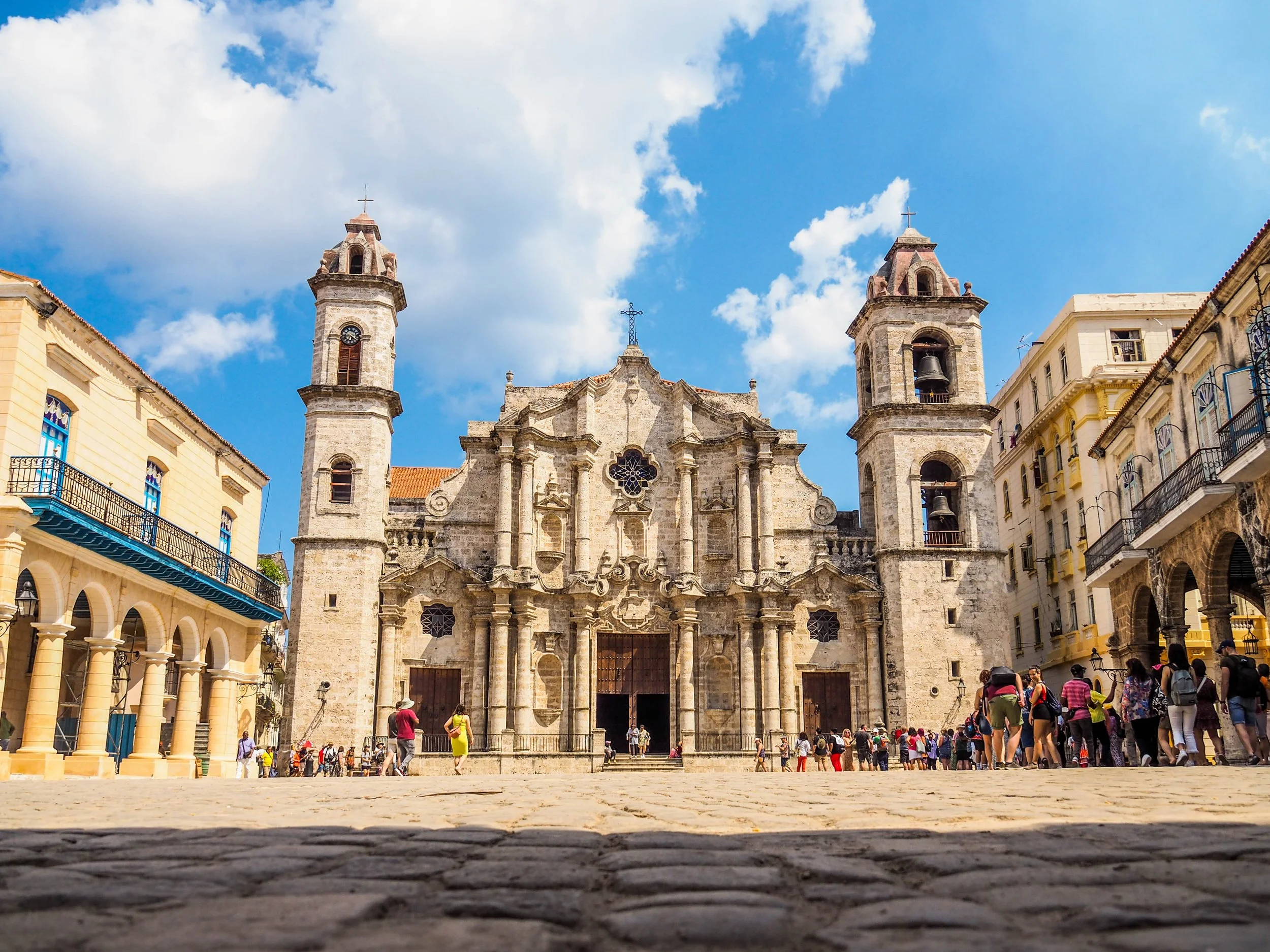
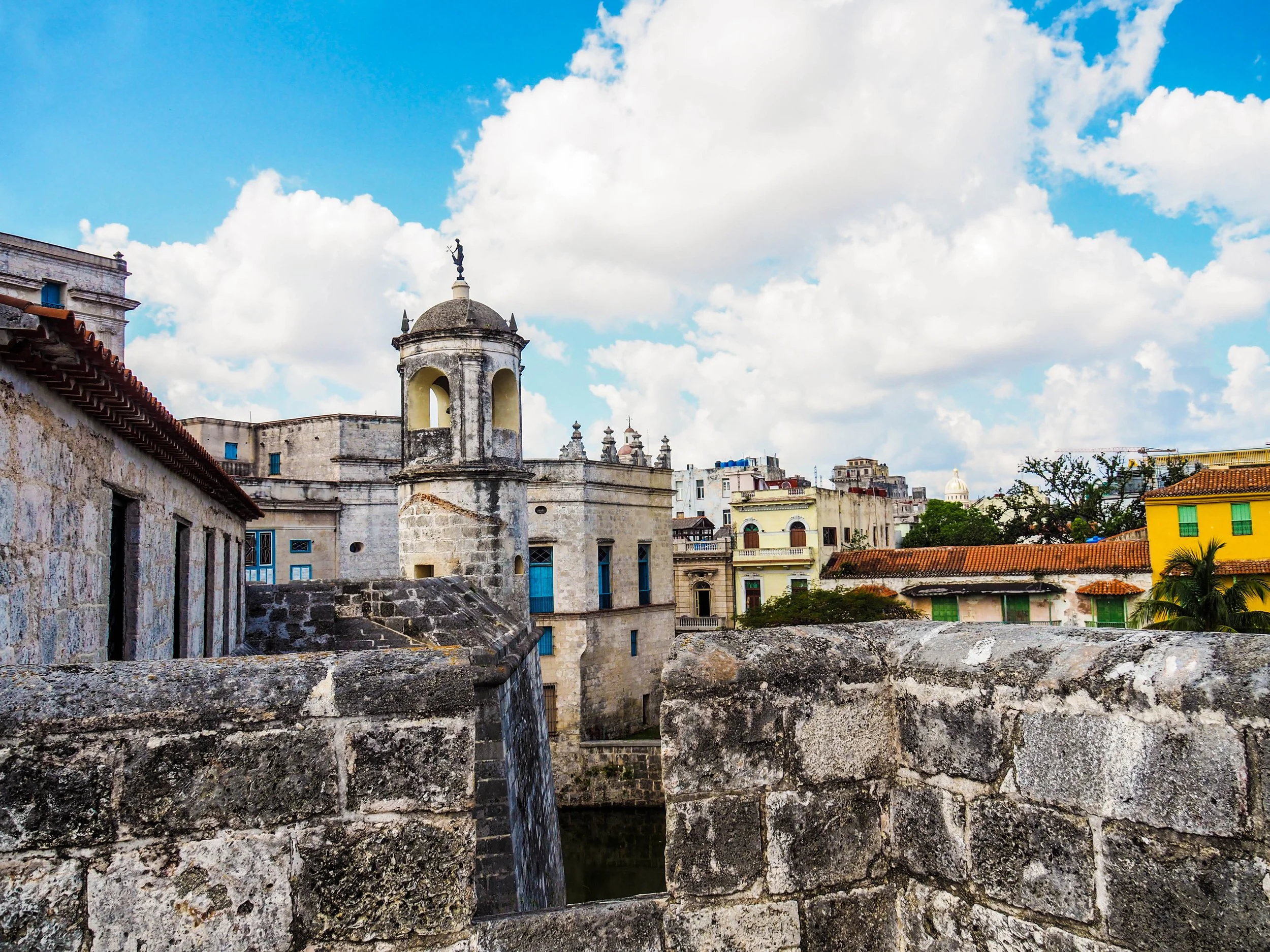
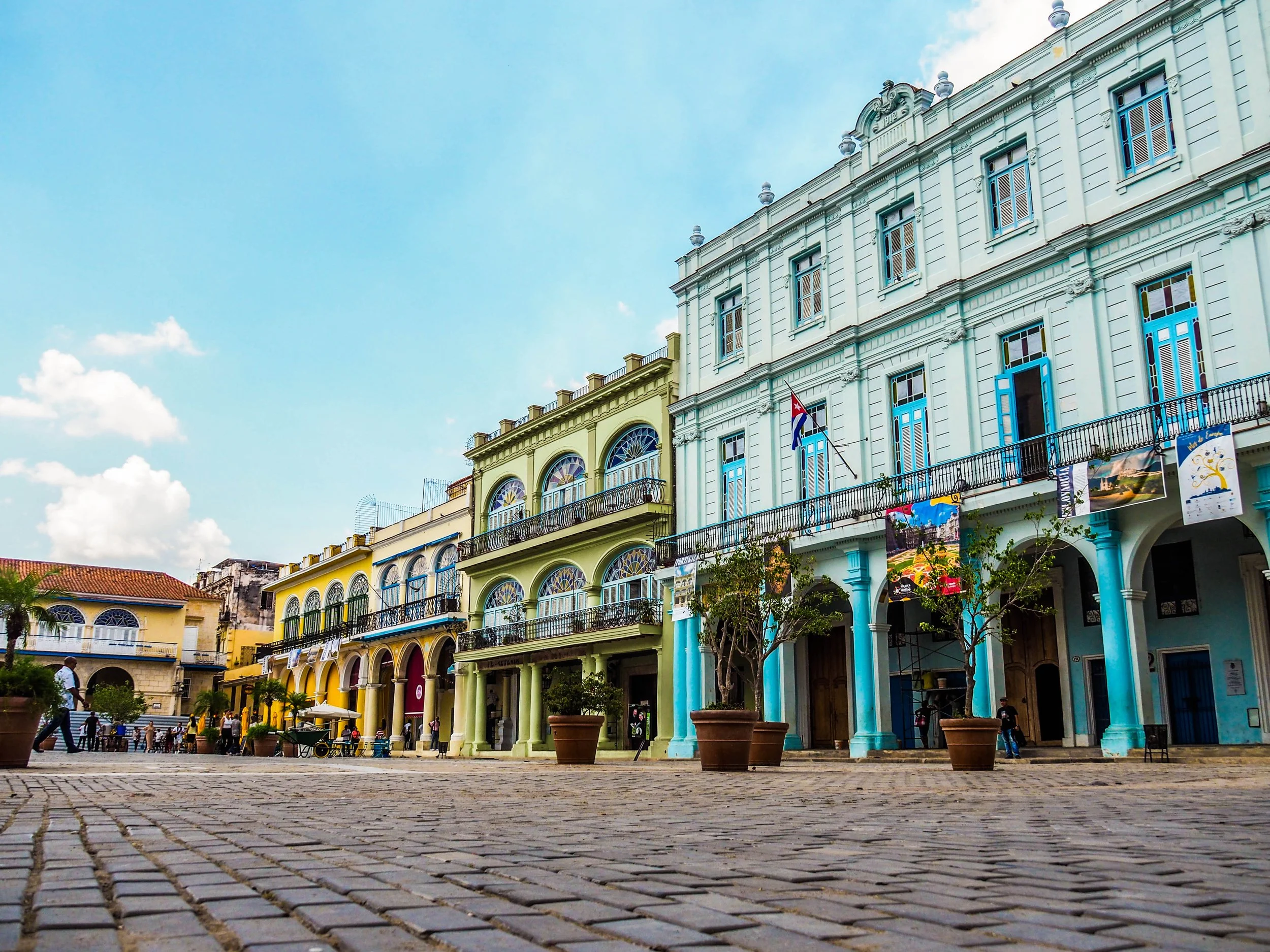
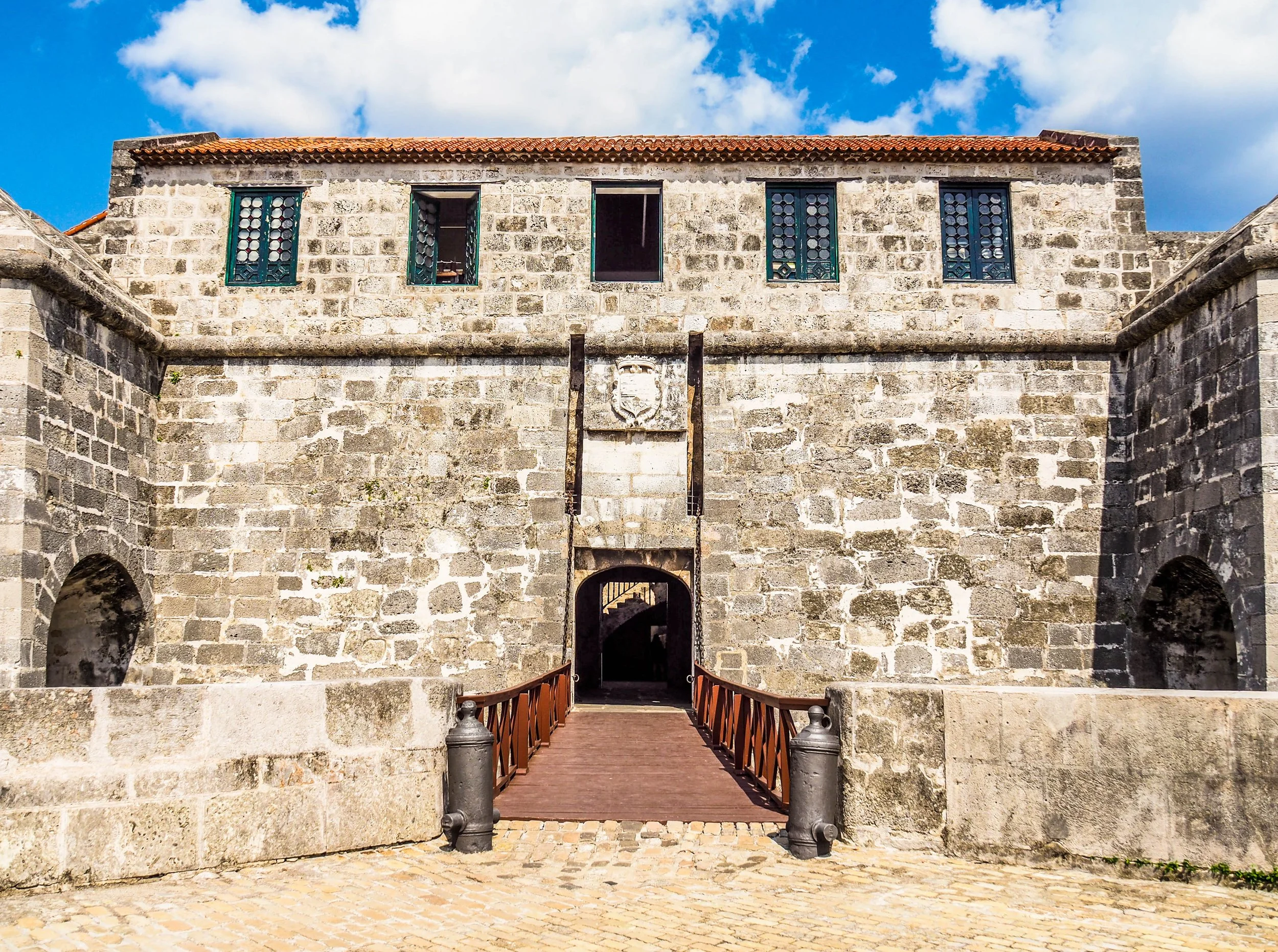
I had scoured Airbnb for a place to stay to stay in Havana before I left. You’ll notice the quality—and the prices—change quite drastically. I eventually found a nice, tastefully decorated one-bedroom place. It was a short walk to the Museo del Ron Havana Club (Havana Club Rum Museum) where you can learn about the history of rum in Cuba as well as about the rum making process. And a little further along the street that ran alongside the port is the Plaza.
The barrio comes alive at night with bustling restaurants and places to drink and dance to global pop music or popular latin rhythms.
And when you get hungry, there
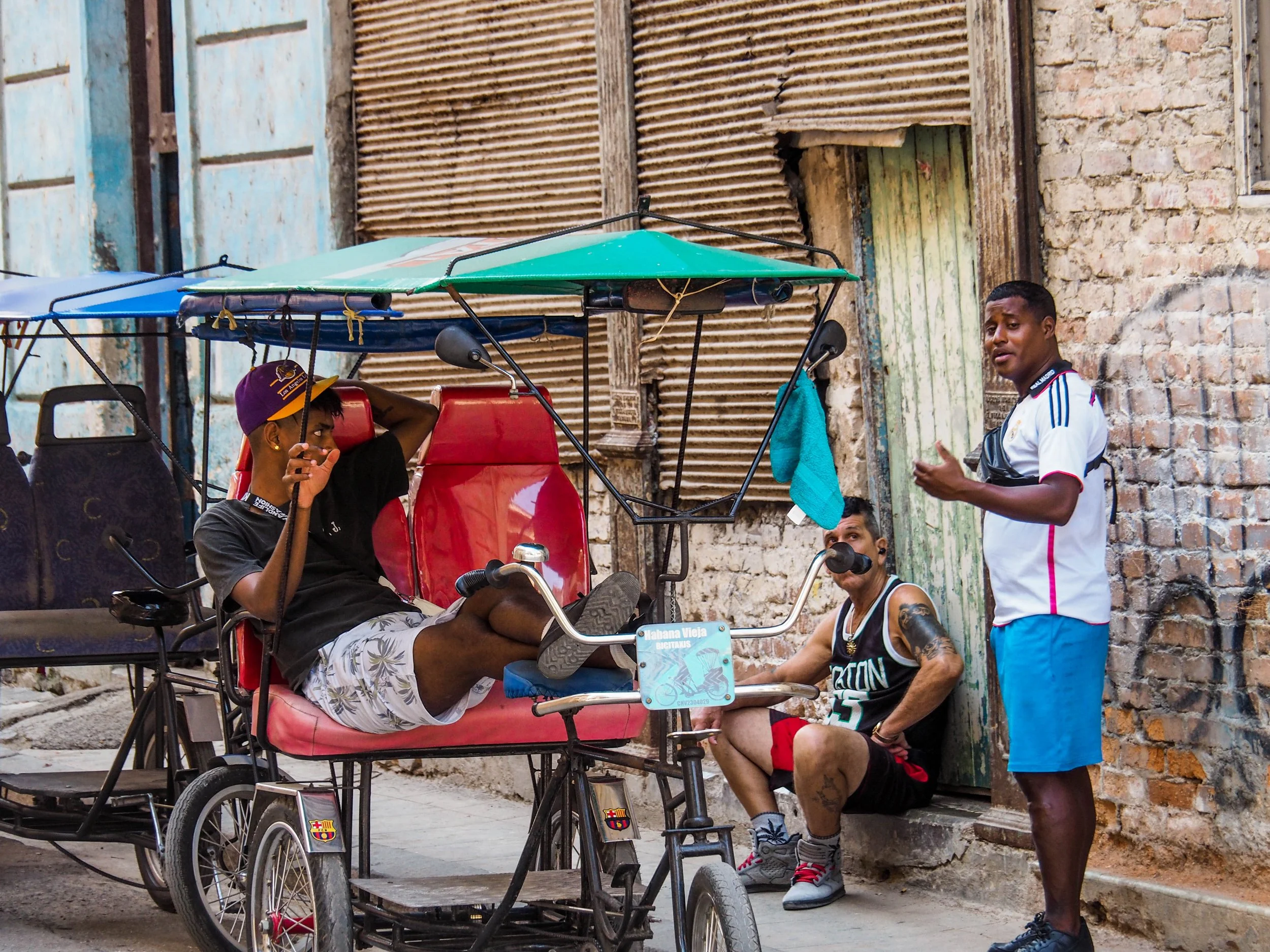
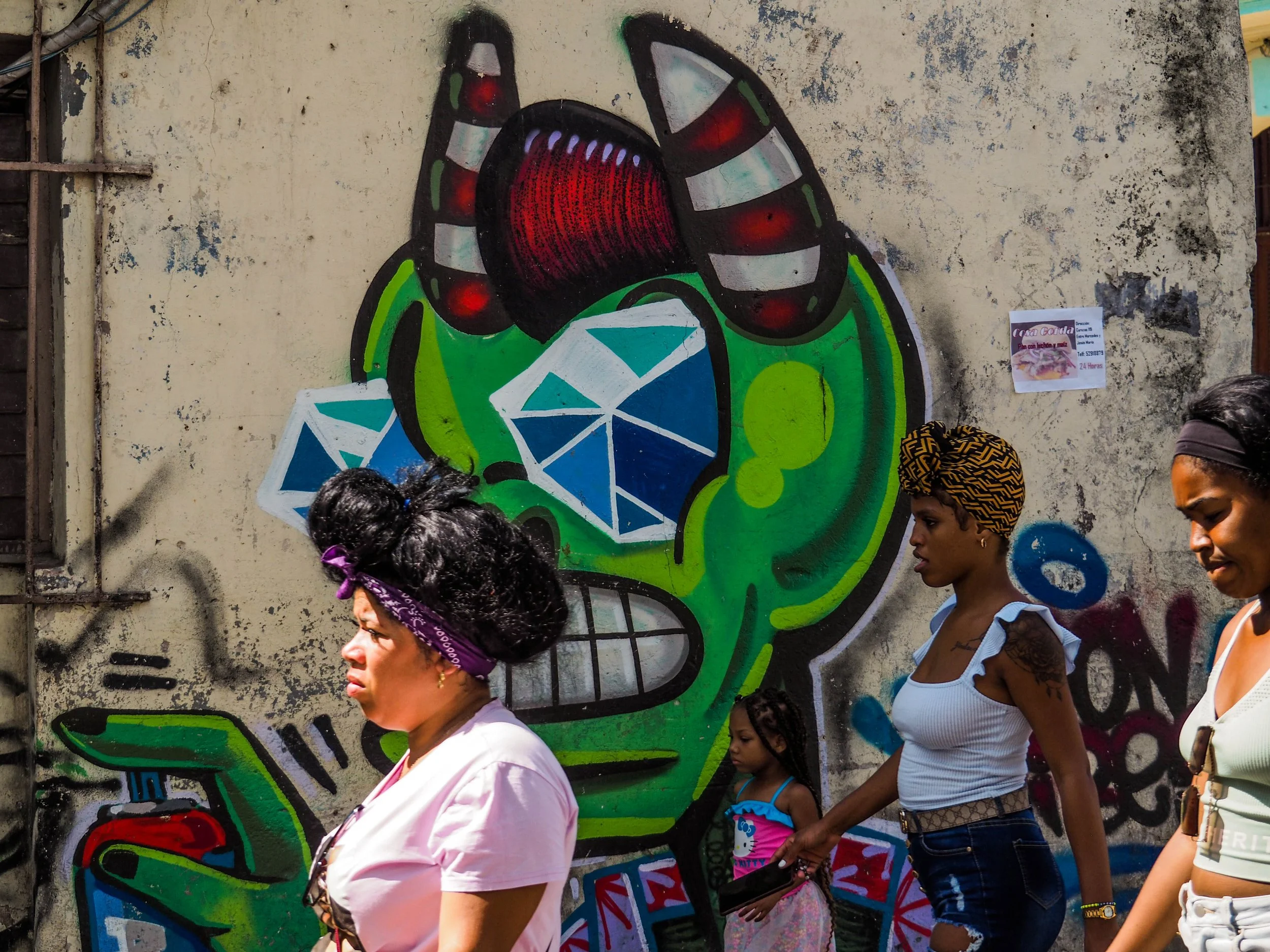
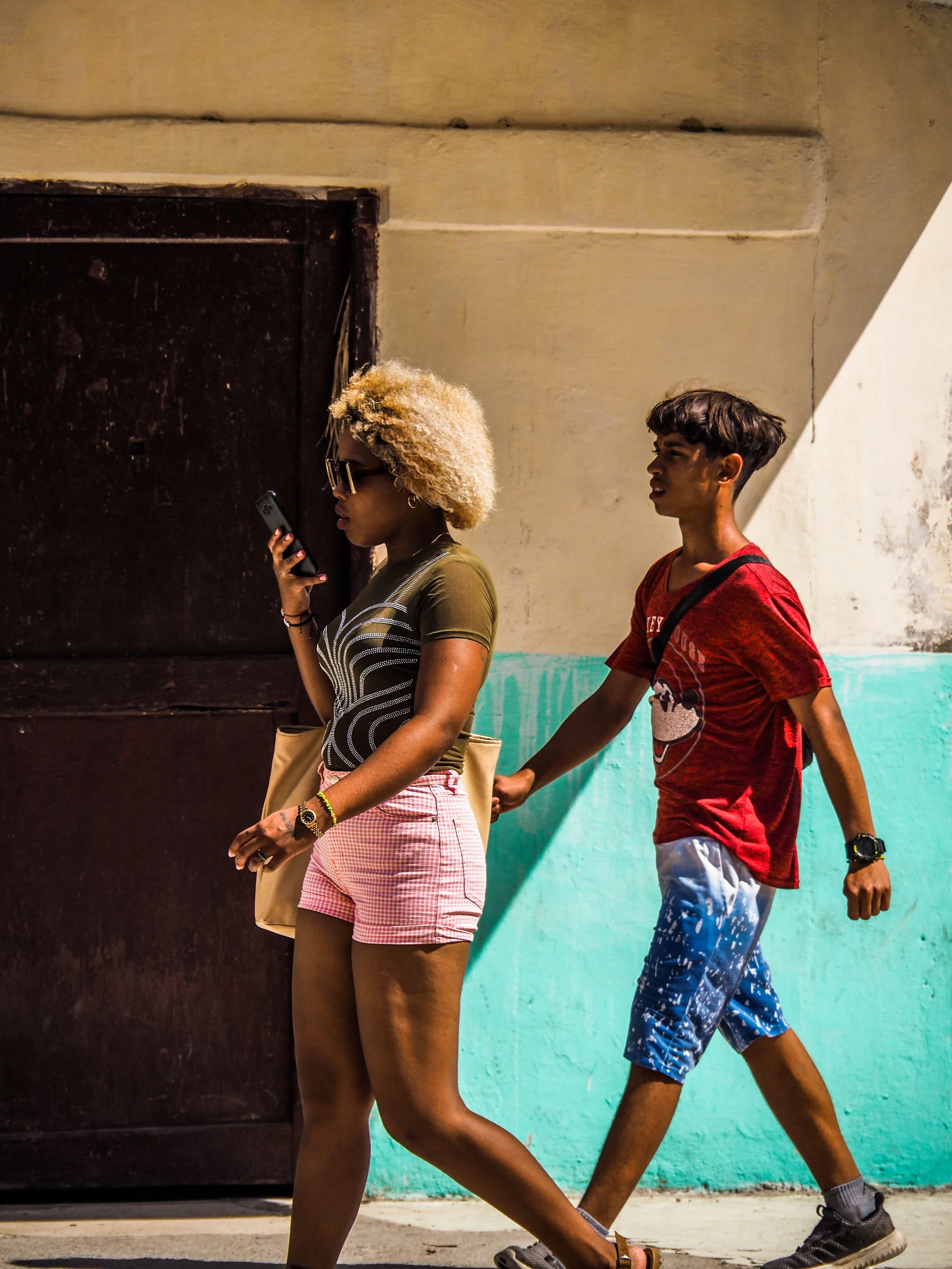
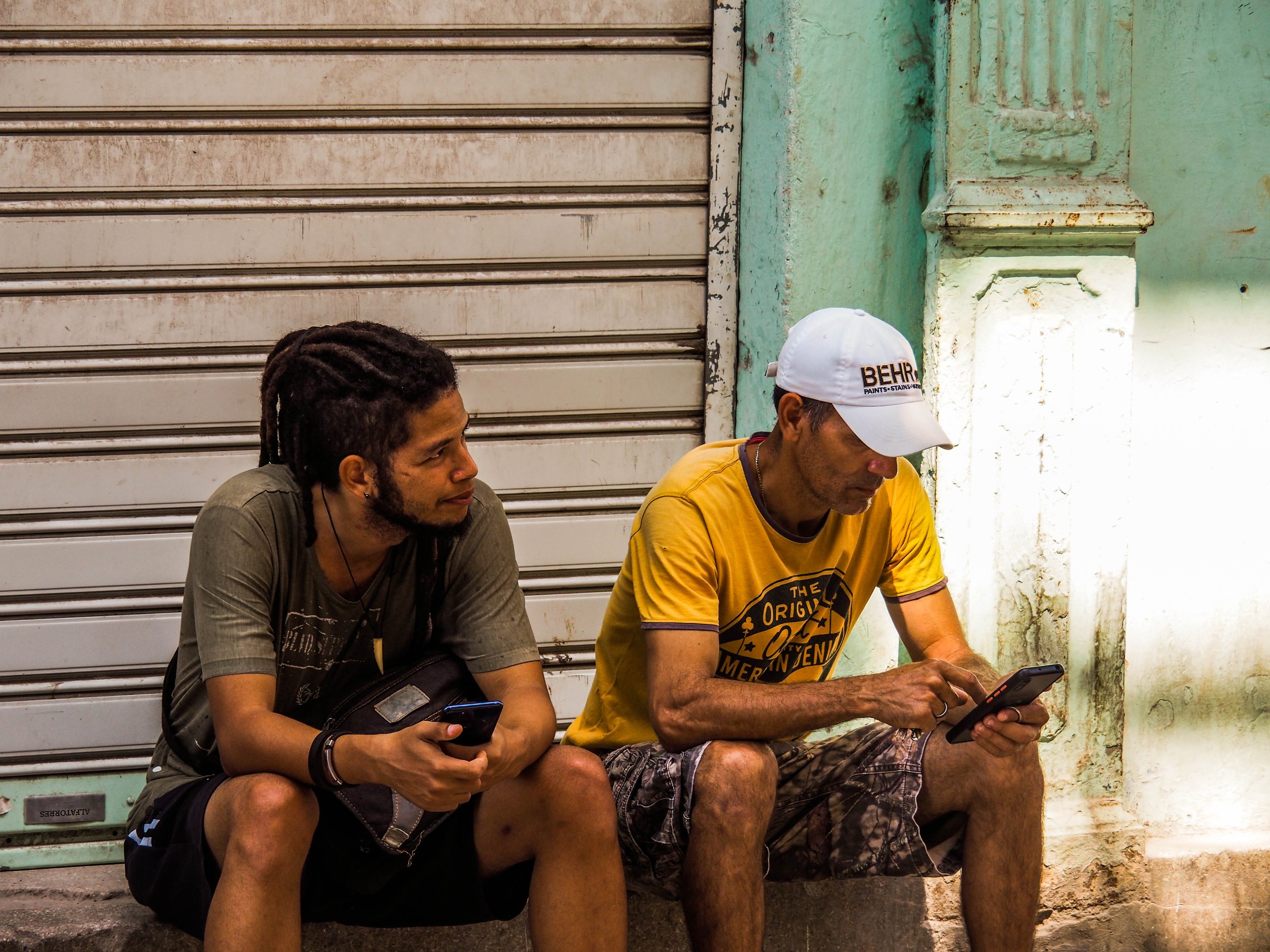
Two days was definitely not enough to see everything Buenos Aires has to offer, but I managed to cram quite a lot into two days. The hope is to return soon and spend more time there, not only in Buenos Aires, but traveling to some of its other beautiful cities and towns.
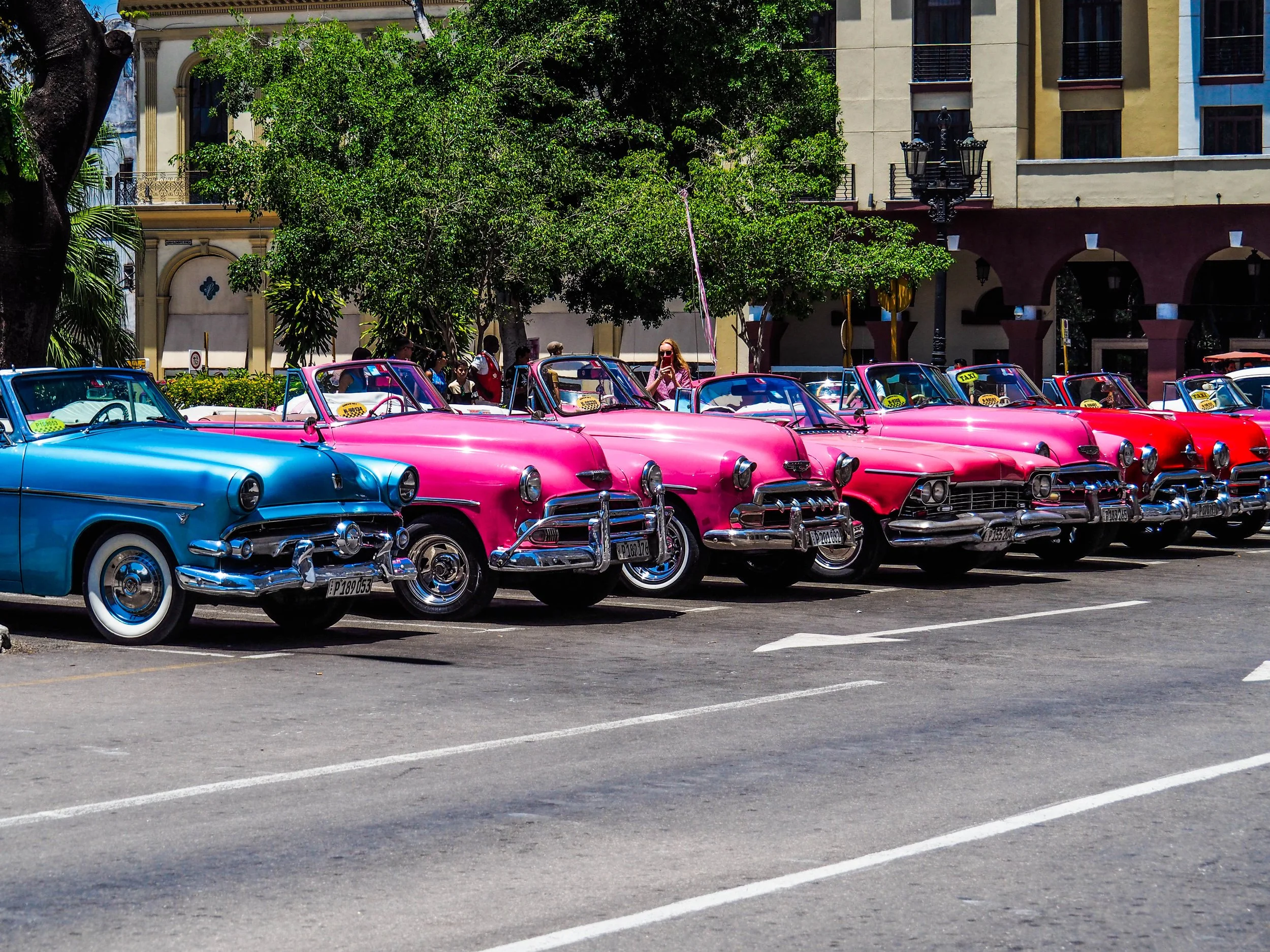
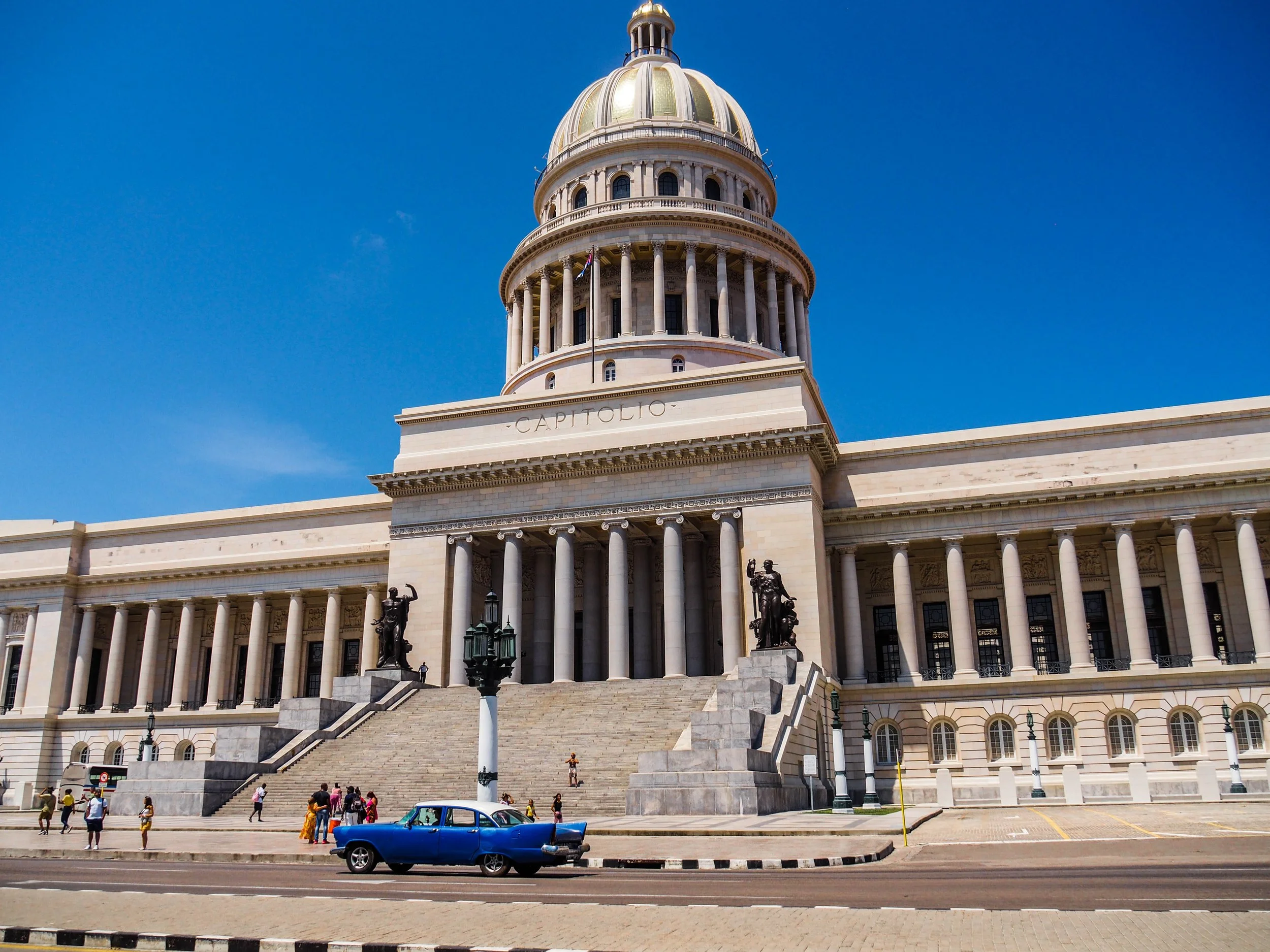
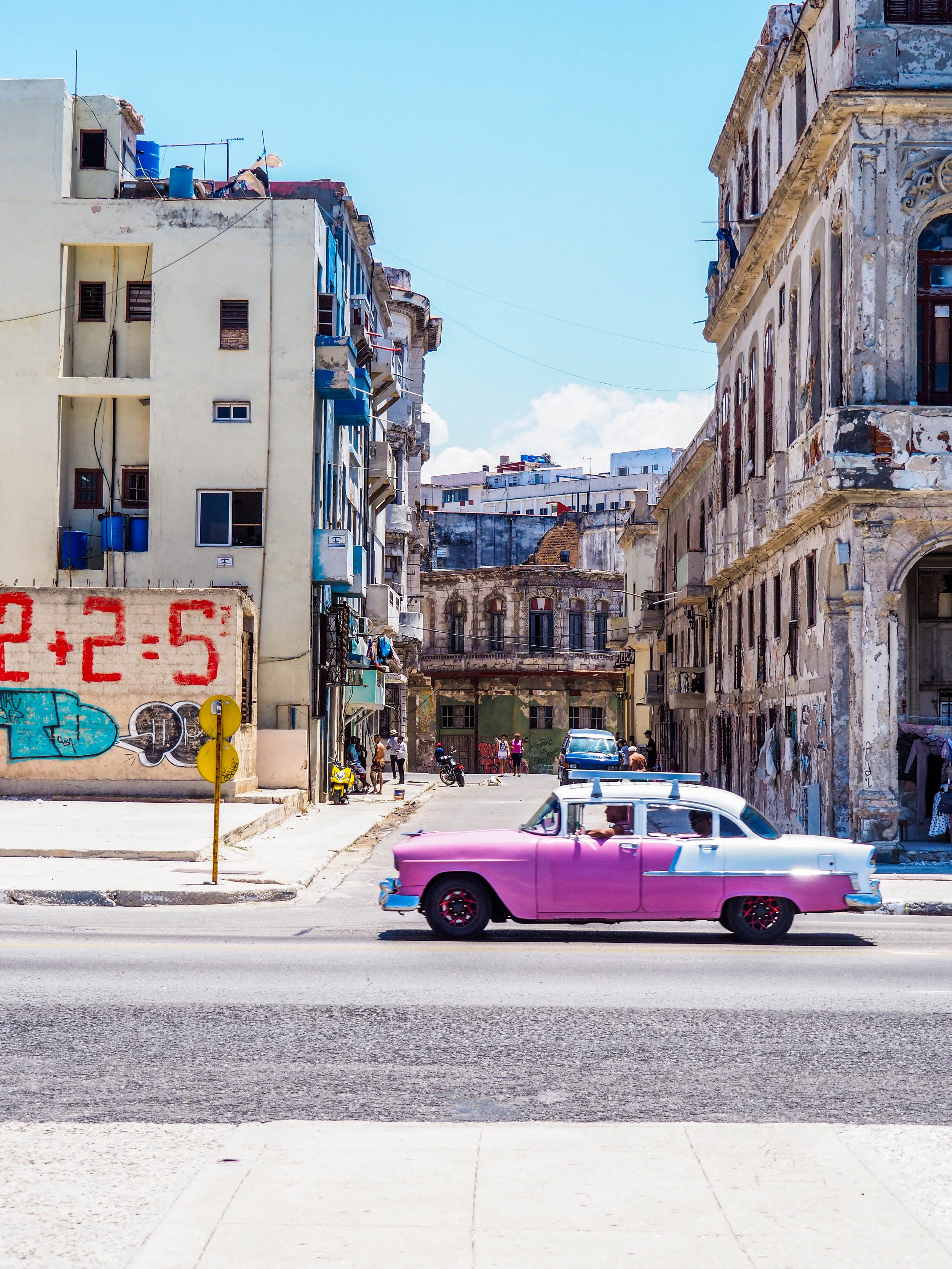
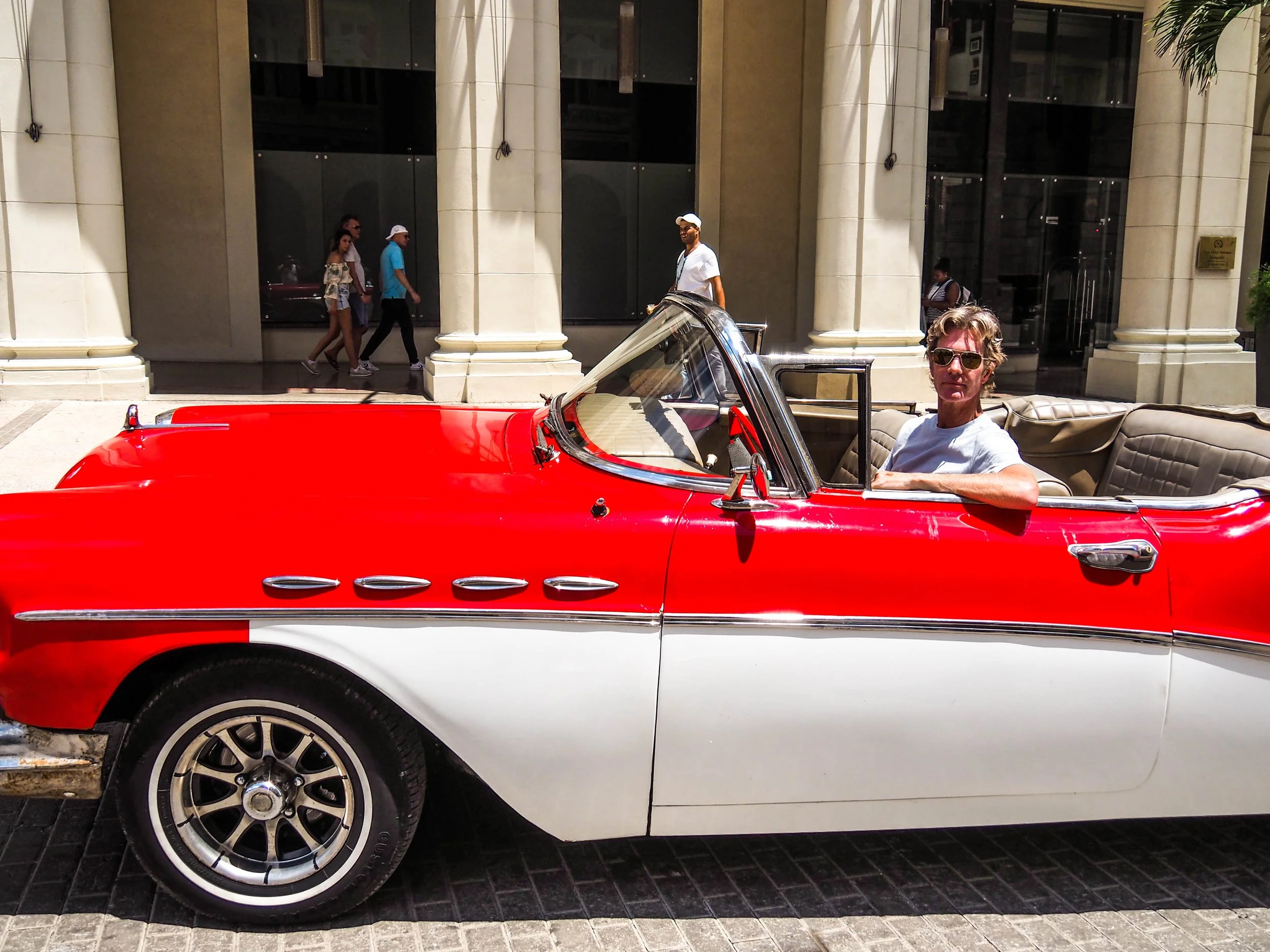
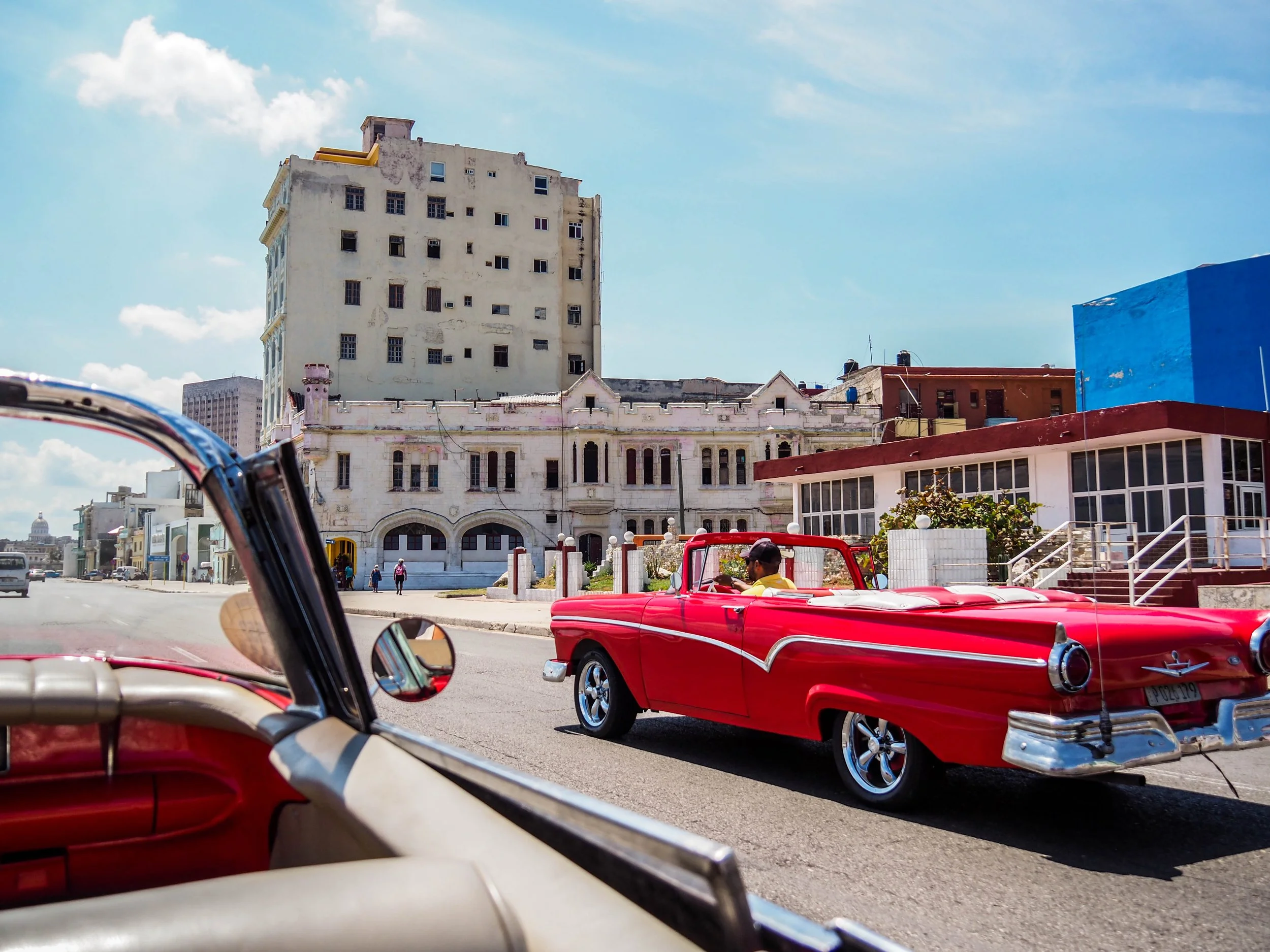
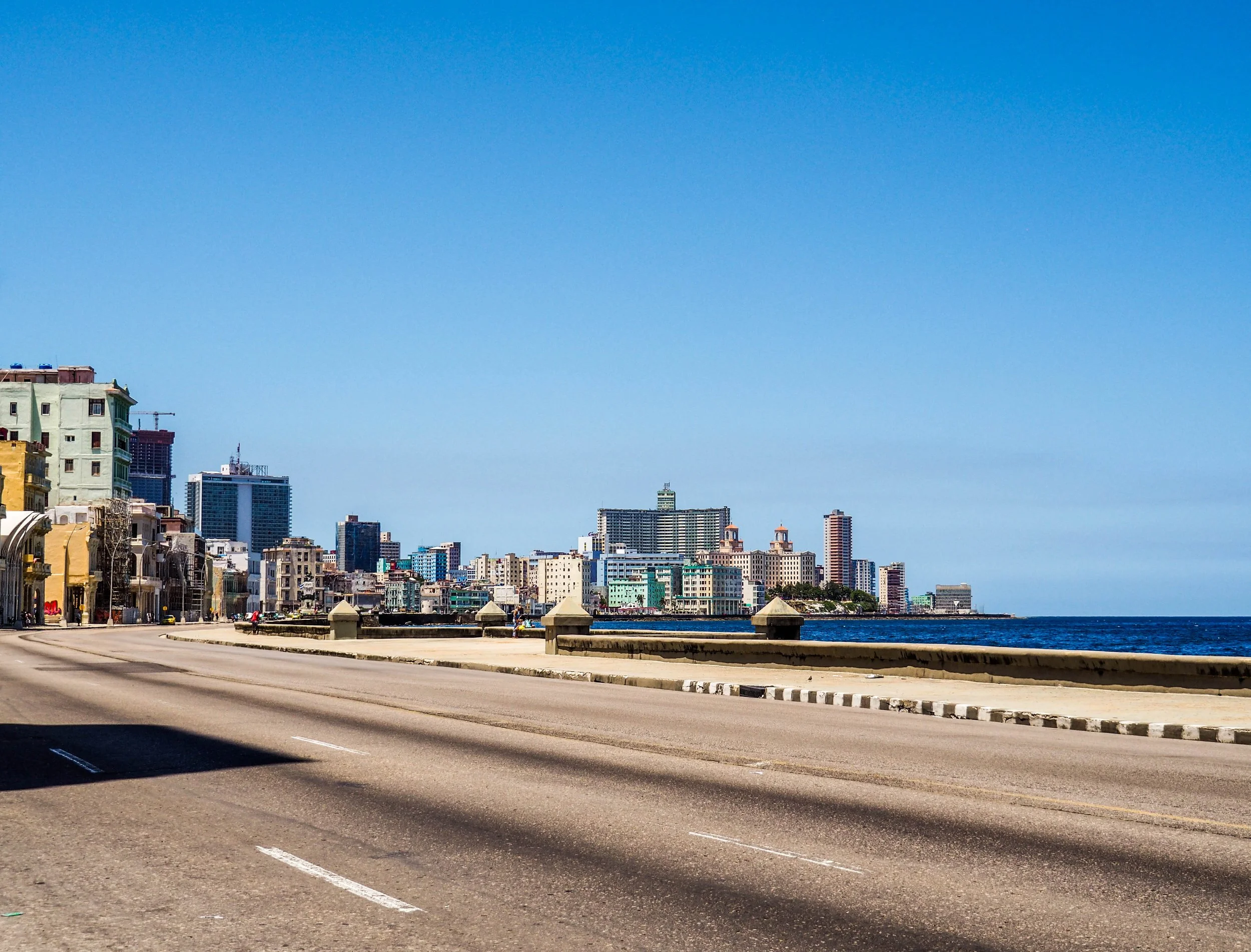
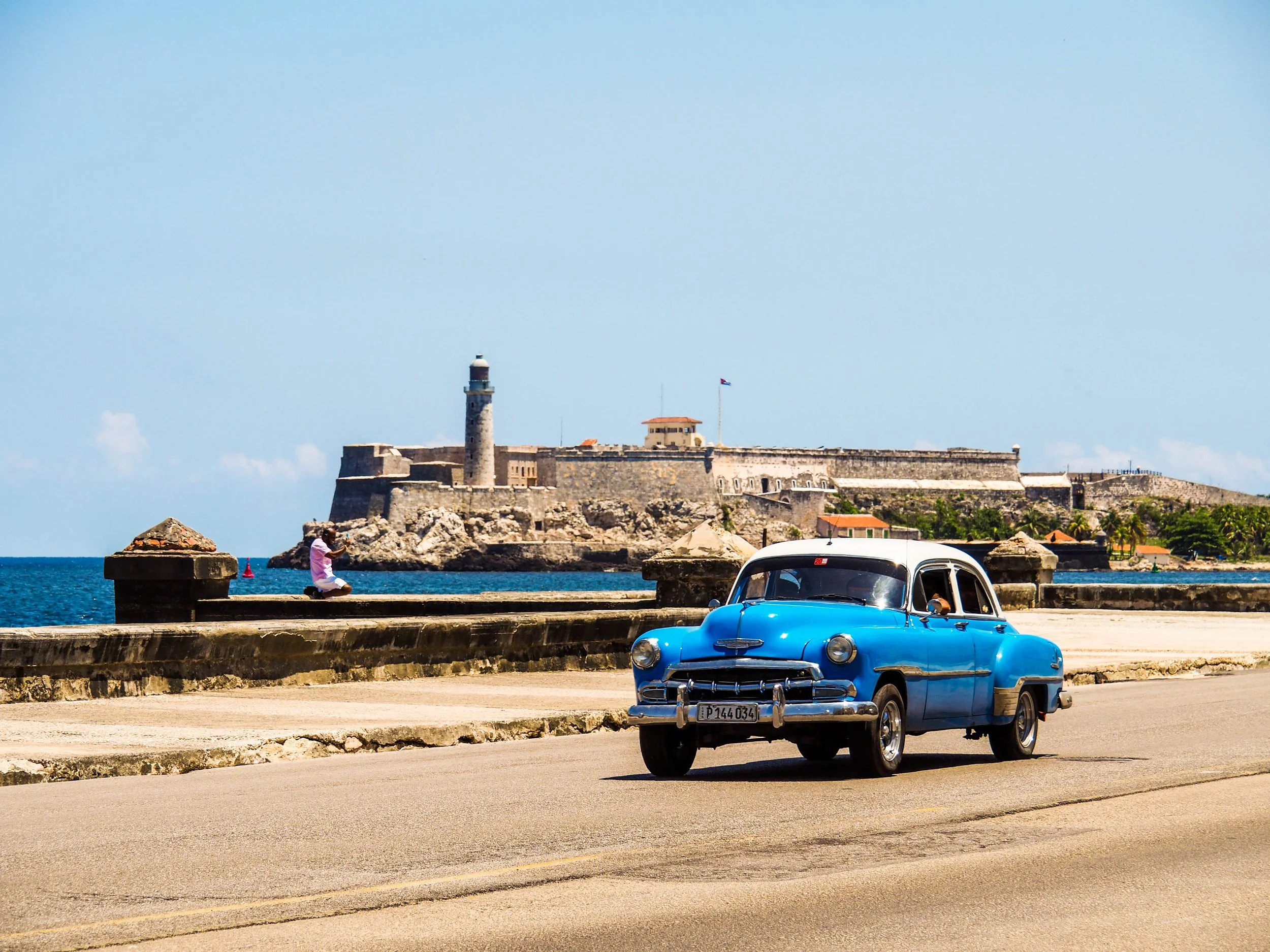
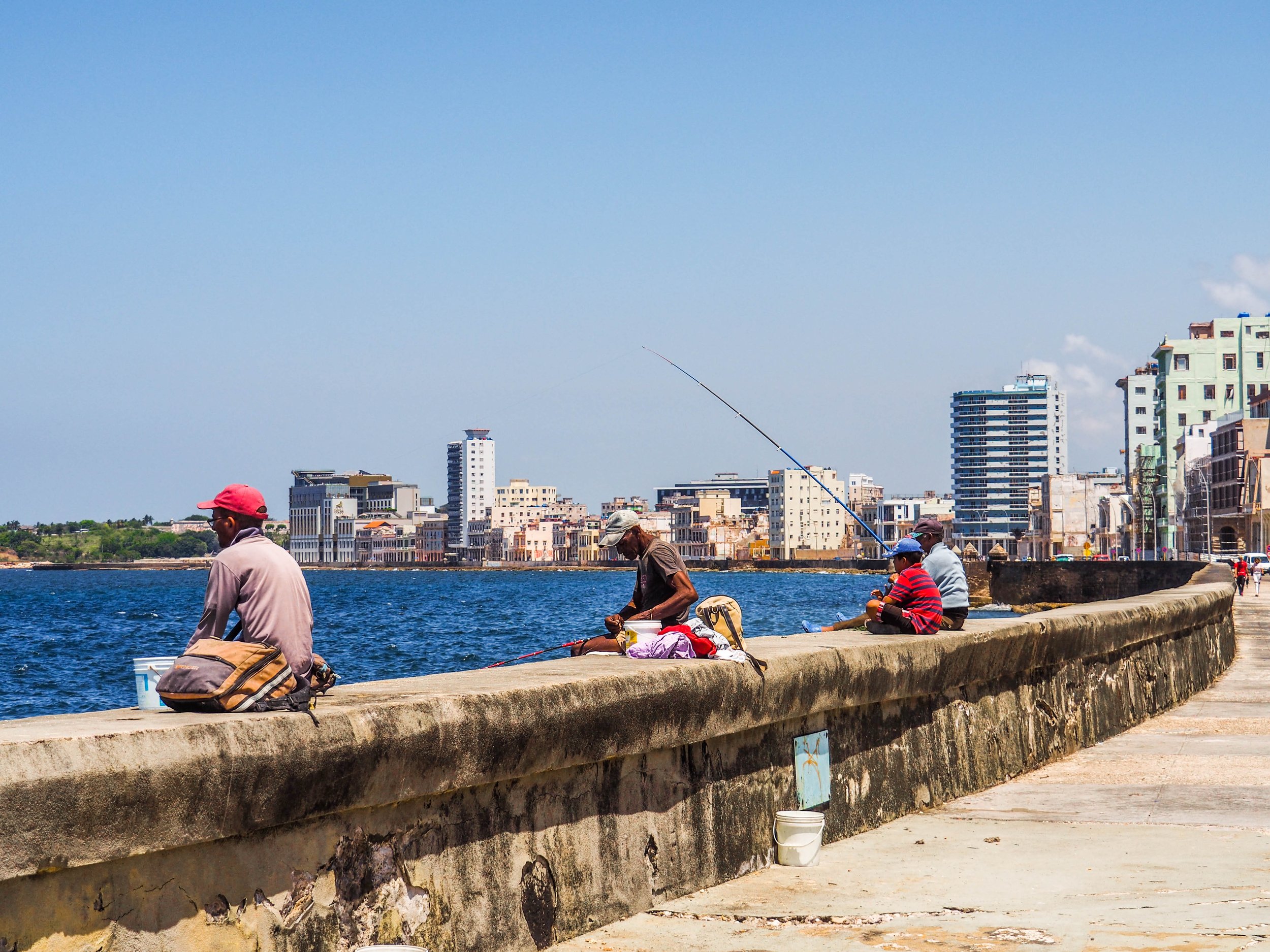
Ah, the world-famous Malecón; Havana’s almost-8 kilometer long promenade. Described as one of the city's most soulful and quintessentially Cuban thoroughfares, this was also the favored meeting place for many of Havana’s poets, lovers, philosophers, and others.
After decades of neglect, many of the dilapidated facades still hold secrets of all the goings-on that would take place back in the Malecón’s heyday. This stretch of road is also a popular route for tourists who hire a vintage taxi and go on a city tour.
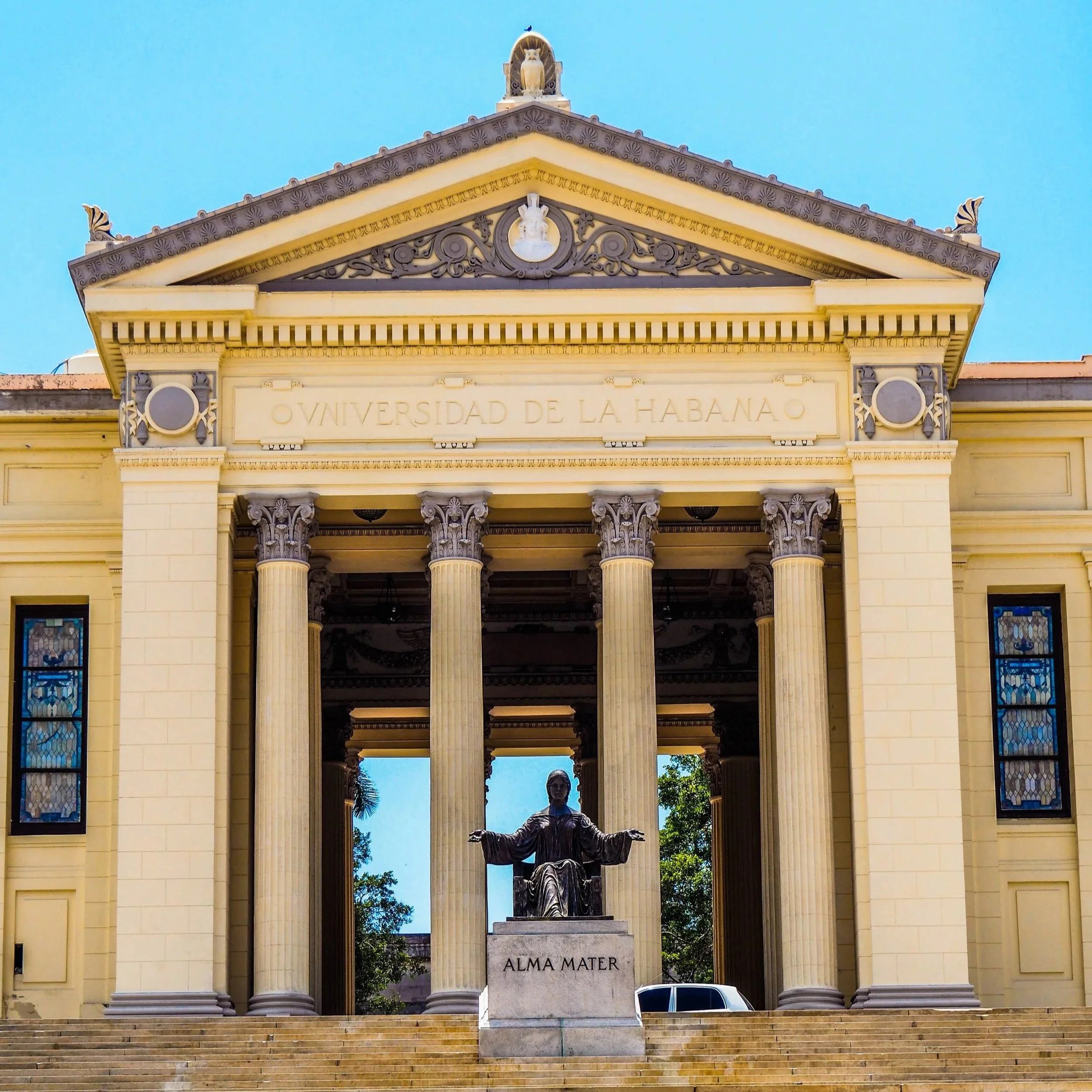
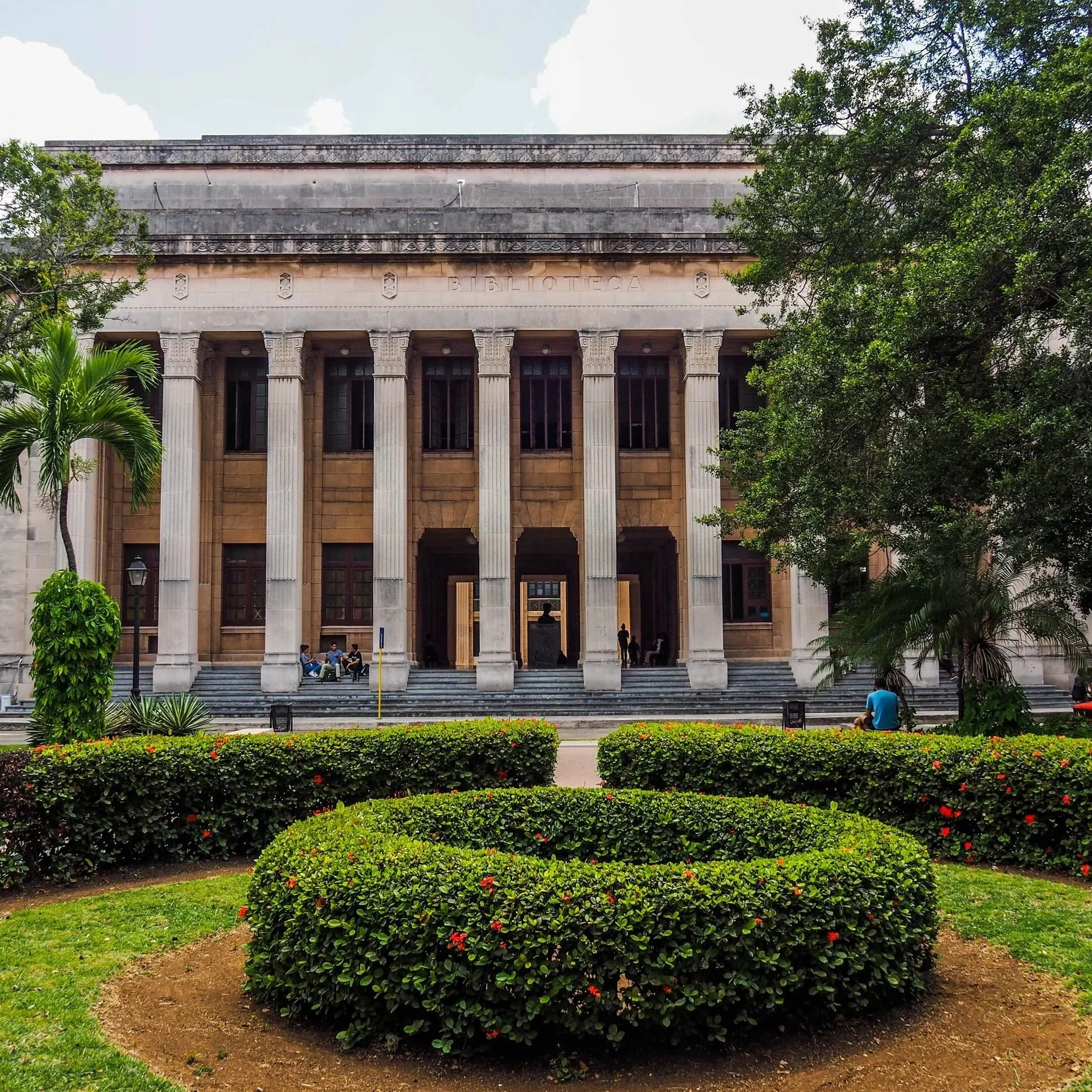
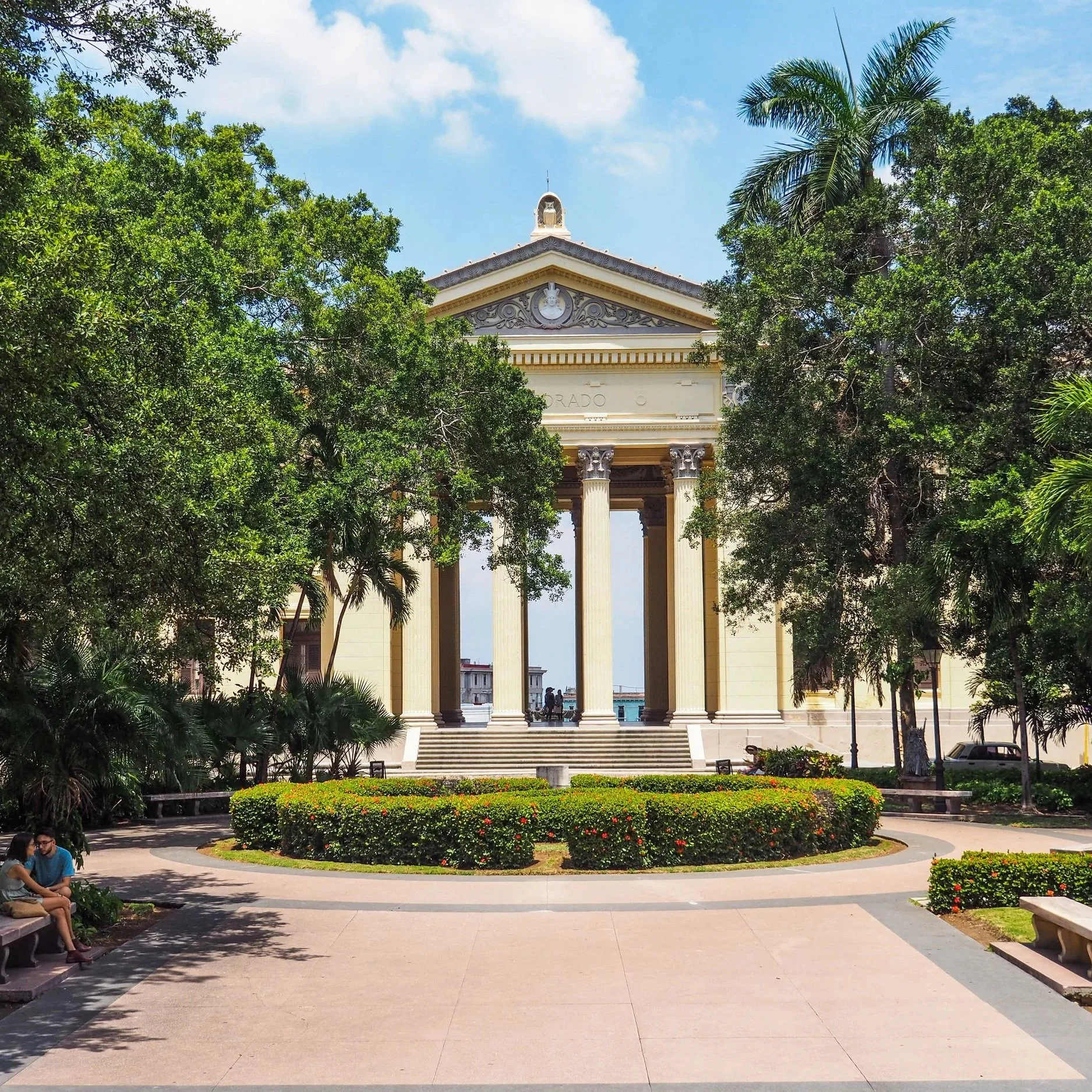
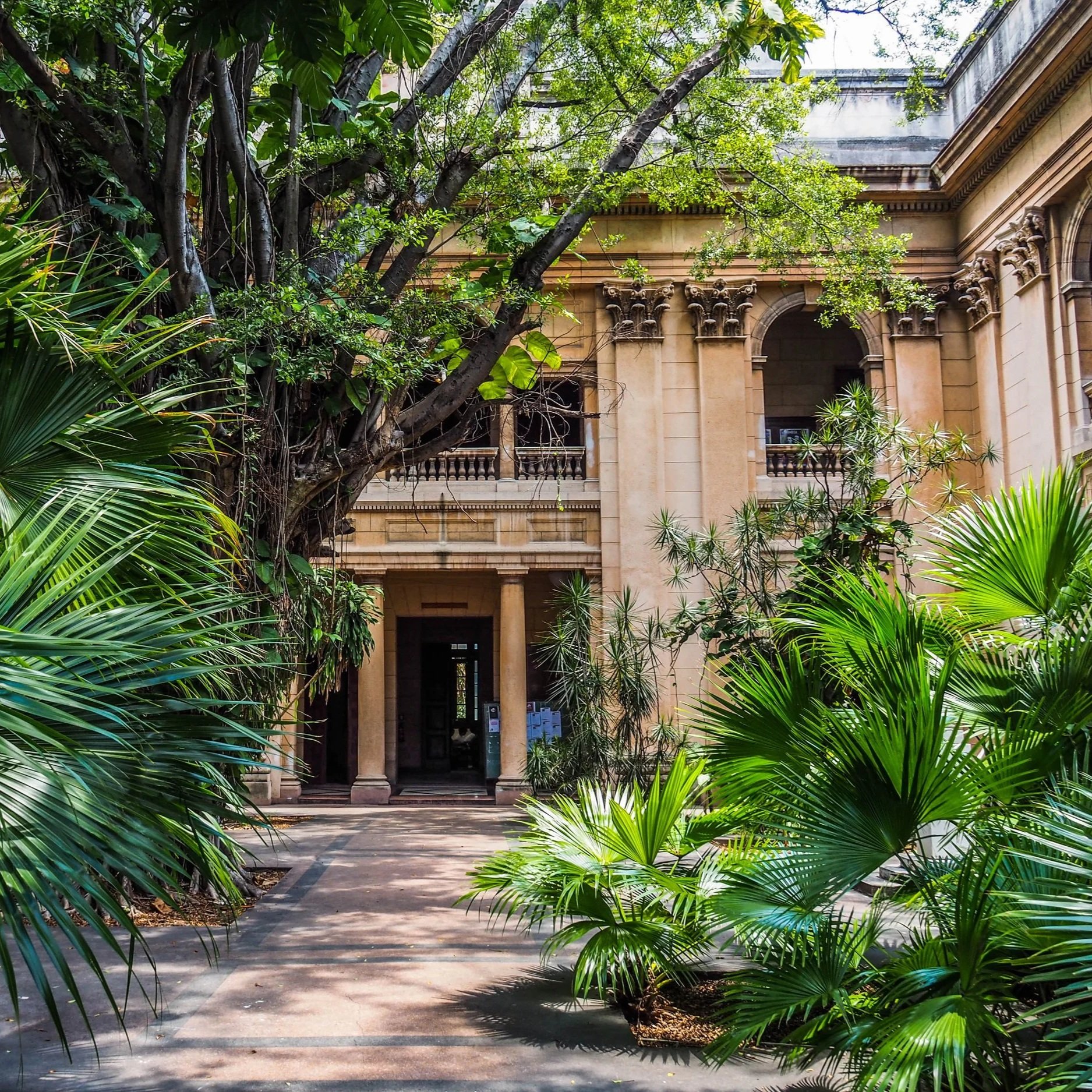
Perched high on a hill overlooking the historic Vedado district, the University of Havana feels less like a campus and more like an elevated sanctuary of intellectual gravity.
Founded back in 1728 by Dominican monks, it stands as one of the oldest and most prestigious institutions in the Americas, carrying a reputation shaped by centuries of revolutionary thought, political fiery debates, and Cuba’s sharpest minds.
The architecture is pure, imposing drama. You approach via the famous Escalinata, a massive, 88-step grand staircase crowned by a bronze Alma Mater statue, before stepping into a campus lined with soaring Neoclassical columns, shaded courtyards, and classical porticos that feel completely detached from the urban grind below.
But as soon as you step outside the academic gates to stroll through the surrounding Vedado neighborhood, the energy shifts instantly. Walking those leafy avenues with a camera slung over your shoulder turns heads fast. Curious locals peeking from crumbling balconies, taxi drivers offering rides, and street vendors calling out, all eyeing the outsider trying to capture the raw, unscripted pulse of their neighborhood.
