The 400+ year old Ottoman-era historical imperial Sultan Ahmed Mosque in Istanbul
While we now know it as Istanbul, this important bustling city that connects the Asian and European continents has been known by other names throughout the centuries, most notably Byzantium, Constantinople, and Stamboul.
Istanbul is a mind-spinning mix of history and culture and religion.


Istanbul occupies a rare crossroads where East and West collide, offering travelers a mesmerizing tapestry of layered history, vibrant culture, and stunning geography. Straddling two continents across the Bosphorus Strait, the city seamlessly blends ancient Byzantine and Ottoman architectural masterpieces such as the soaring domes of the Hagia Sophia and the intricate tiles of the Blue Mosque with a modern, energetic metropolitan pulse.
Beyond its iconic skyline, visitors can lose themselves in the sensory labyrinth of the Grand Bazaar, savor the rich aromas of the Spice Market, and experience a world-class culinary tradition that effortlessly bridges Mediterranean and Middle Eastern flavors. Always, and I mean always, order the kabobs. The way all kabobs should taste.


Sights and sites of Istanbul
When it comes to the sights and sites of Istanbul, the city doesn’t just show you history—it completely swallows you whole. You start in Sultanahmet Square, where architectural heavyweights go toe-to-toe: the soaring, ancient domes of the Hagia Sophia face off against the cascade of blue Iznik tiles inside the Blue Mosque.
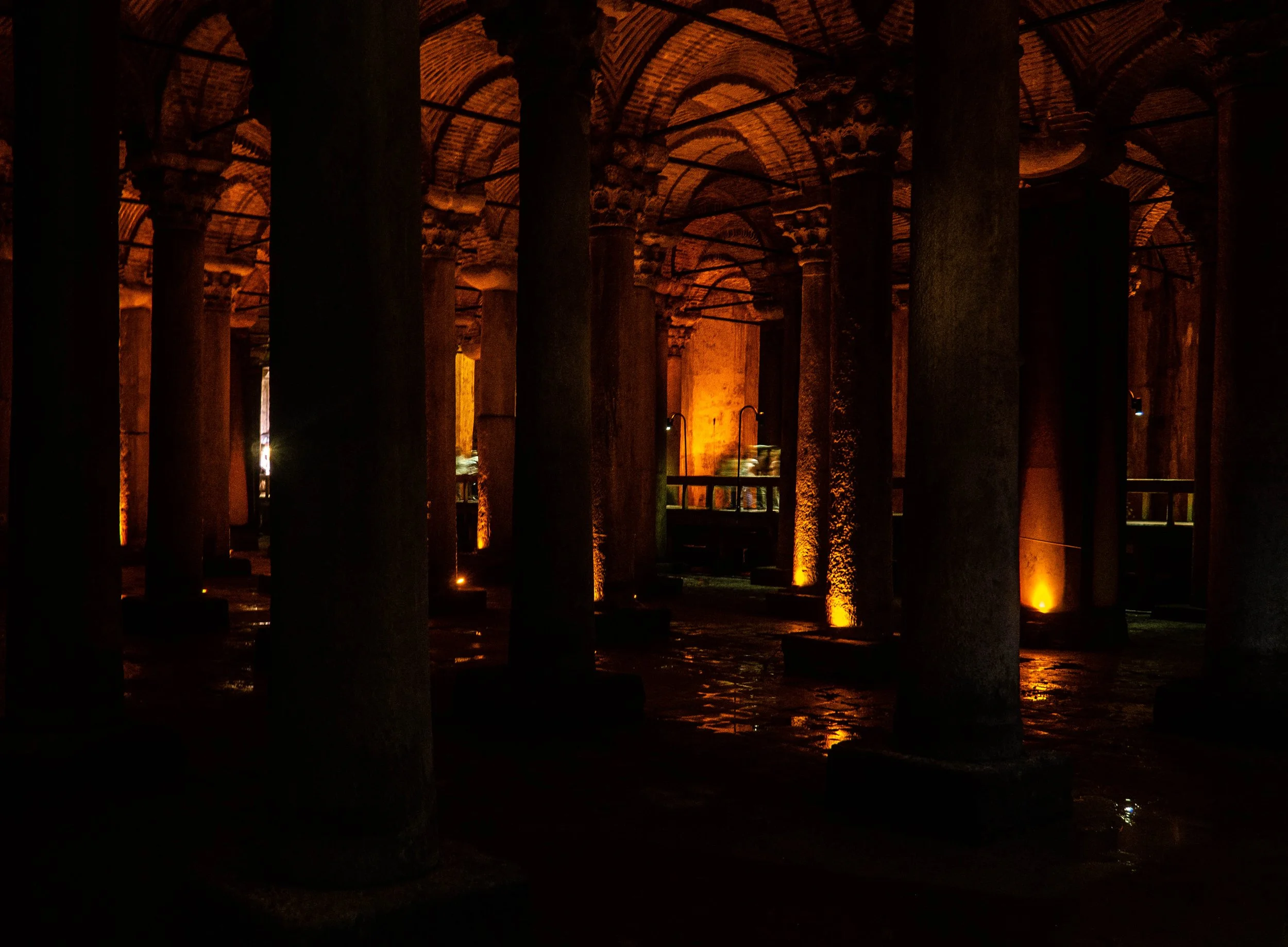
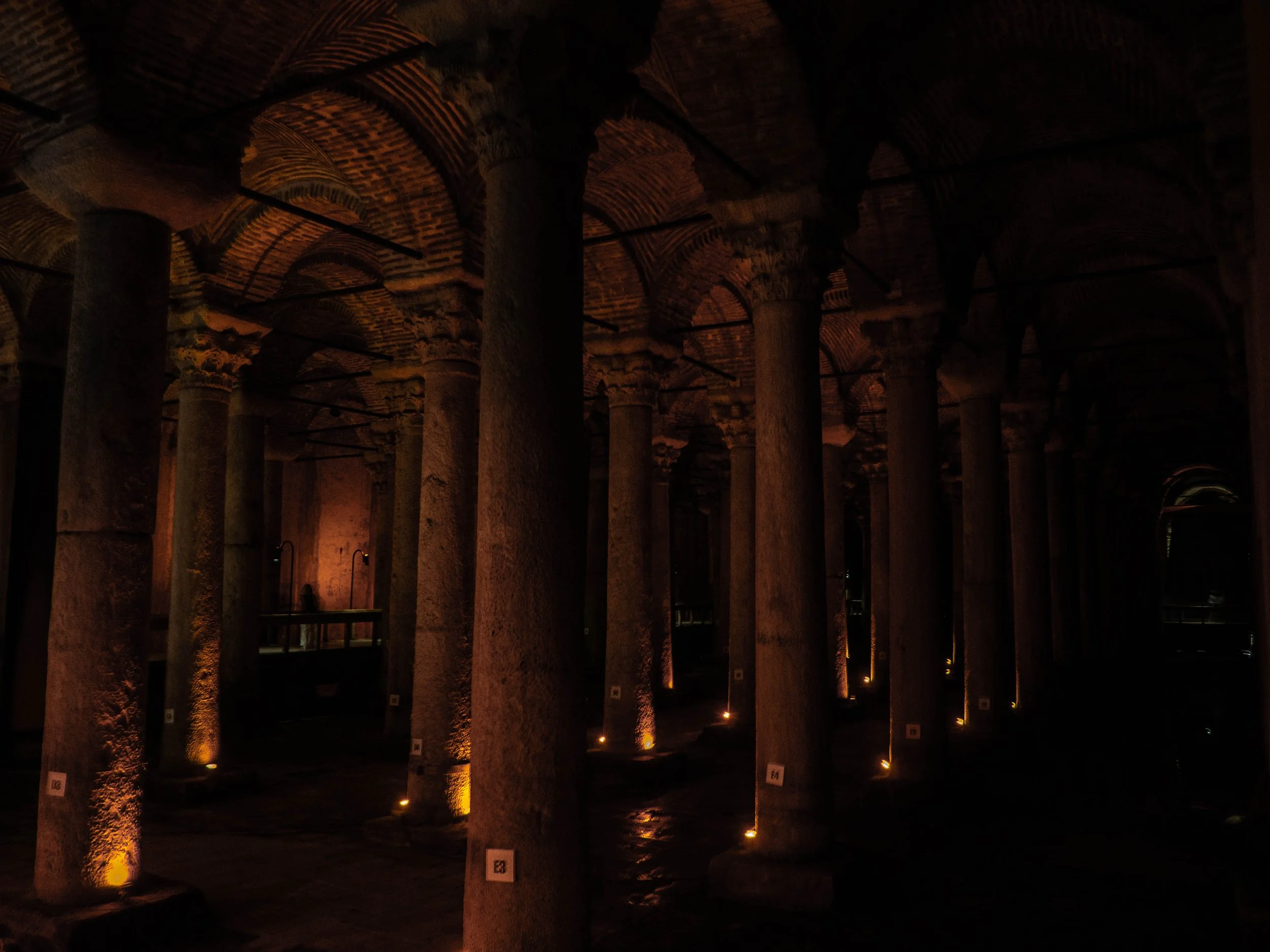
Just beneath the asphalt, you can slip down into the eerie, candle-lit expanse of the Basilica Cistern, walking across raised wooden platforms past hundreds of marble columns rising out of still water. Cross the Galata Bridge—alive from dawn until midnight with locals casting lines into the golden-hued waters of the Golden Horn—and head into the chaotic, sensory maze of the Grand Bazaar, where haggling over spices, textiles, and lamps is a blood sport.


Whether you're catching a panoramic 360-degree sweep of the rooftops from the medieval Galata Tower or watching cargo ships slice across the Bosphorus Strait between two continents, every single corner of this city feels charged with centuries of unbridled drama.
And at the end of a busy day of sight seeing and hagling for deals, nothing hits the reset button quite like unwinding at a traditional Turkish hamam. You step out of the chaotic city heat and straight into an marble oasis bathed in soft sunlight filtering down through domed skylights.
The routine is pure sensory indulgence: you lie on a massive, heated marble slab (the göbektaşı) to sweat out the miles you just walked, followed by an aggressive, full-body exfoliation with a coarse silk glove (kese) that will leave you wondering how you ever survived without one. Then comes the main event—getting completely buried in a mountain of warm, lavender-scented soap foam before being doused with buckets of cool water and massaged into a state of absolute bliss. You'll float out onto the street feeling like a freshly polished Turkish coin, completely rejuvenated and ready to hit the night markets for round two, or settle down for an incredible spread for dinner. The Turks really do know good food.
The Cisterns
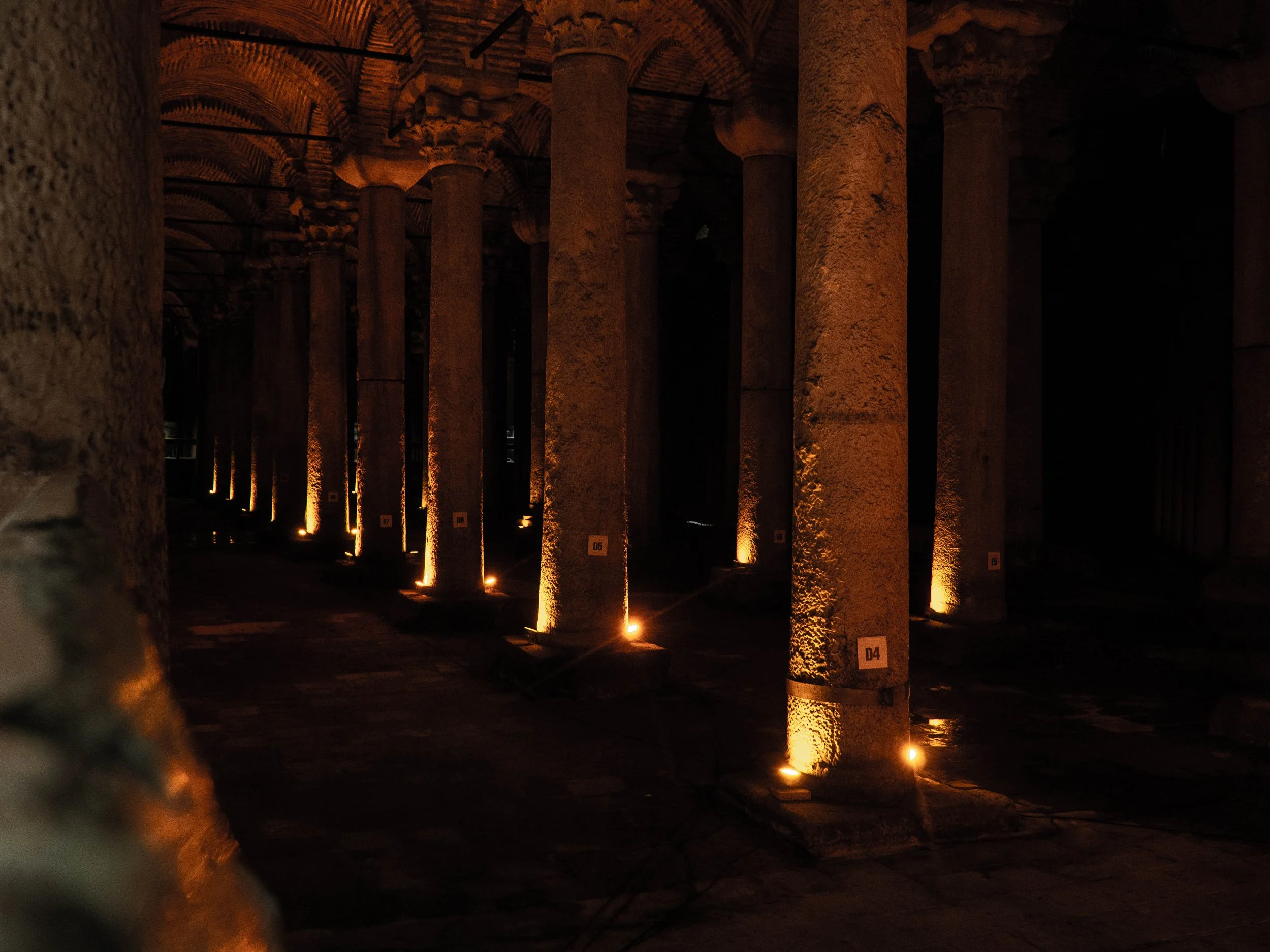
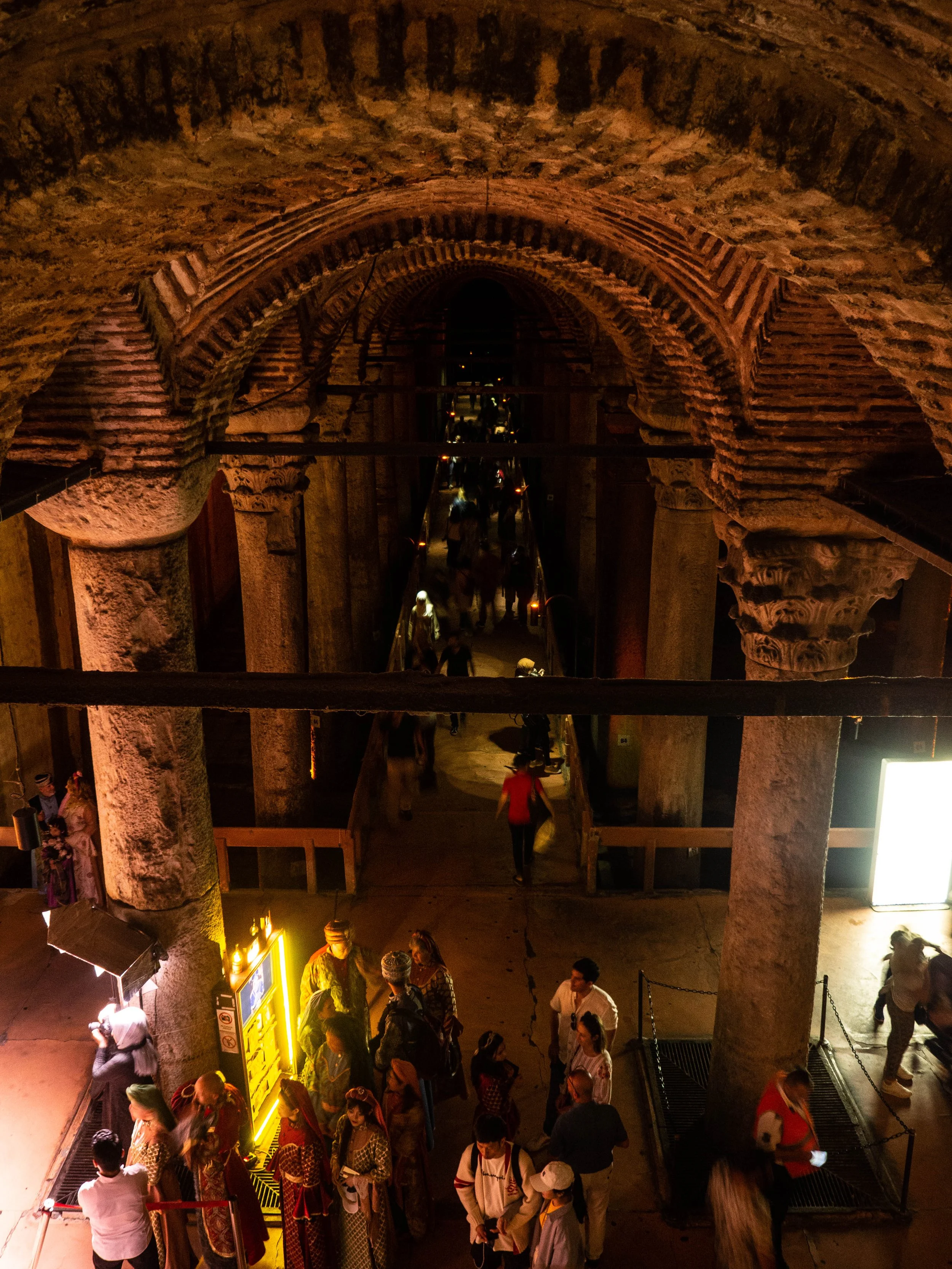
If you think Istanbul’s street level is wild, wait until you step below the pavement and enter its underground lair game. Deep beneath the city sits the Basilica Cistern—basically a massive, mood-lit subterranean palace built by Byzantine Emperor Justinian back in the 6th century just to hold his water supply.
You descend a flight of stairs and suddenly you’re in a dimly lit, eco-drenched cavern where 336 massive marble columns rise straight out of shallow water, reflecting ominous red and amber glow lights like the set of a high-budget villain's hideout.
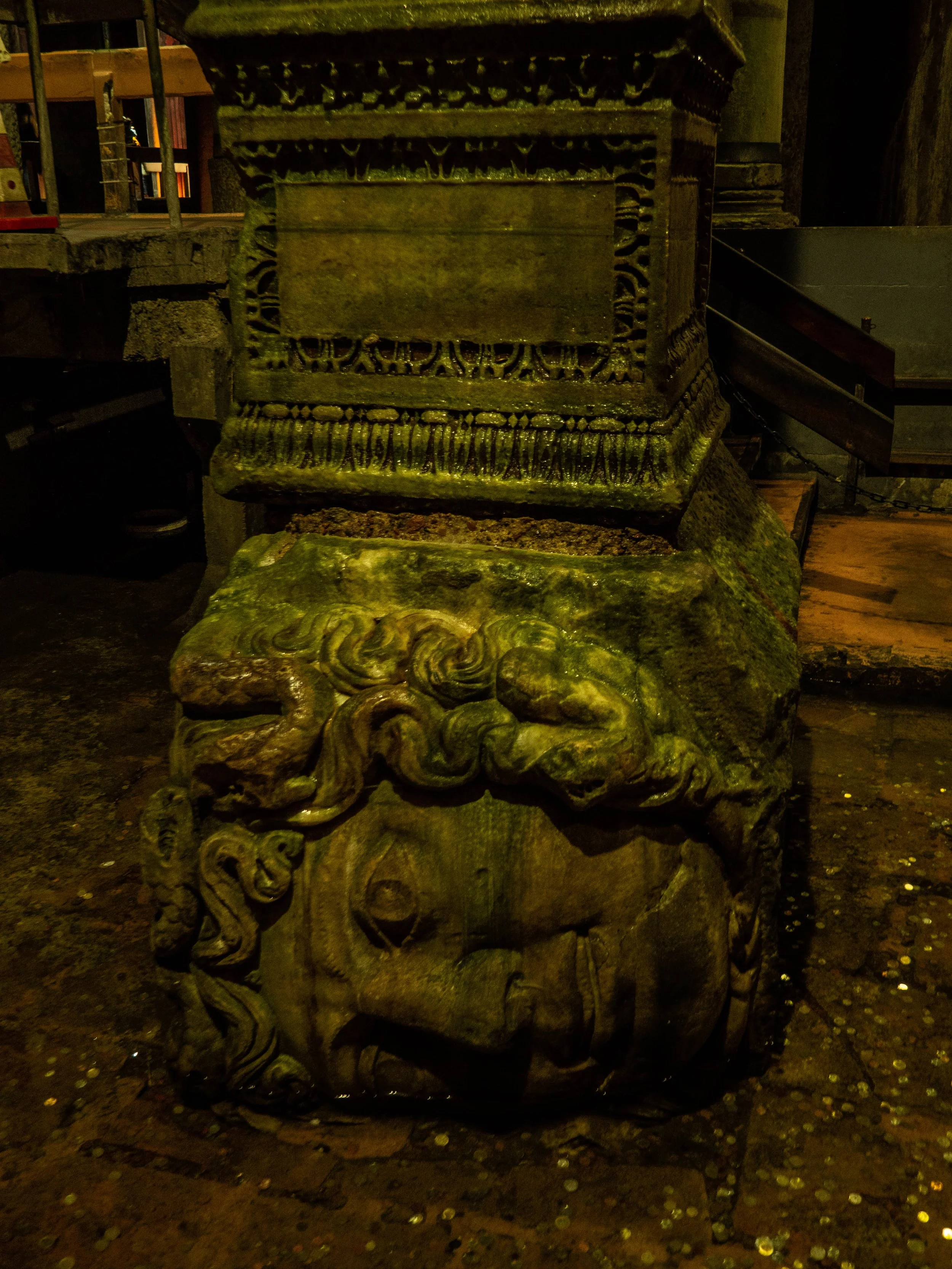
Carp casually glide past your feet as you walk the raised boardwalks, and tucked away in the back corners are the real showstoppers: two massive stone Medusa heads recycled from Roman ruins, casually bolted upside-down and sideways to support column bases (because why not flex a little ancient disrespect to mythological monsters?).
It’s cool, eerie, echoing, and effortlessly dramatic—the ultimate antidote to the midday Turkish heat and easily the most surreal place you'll grab a photo in the entire city.
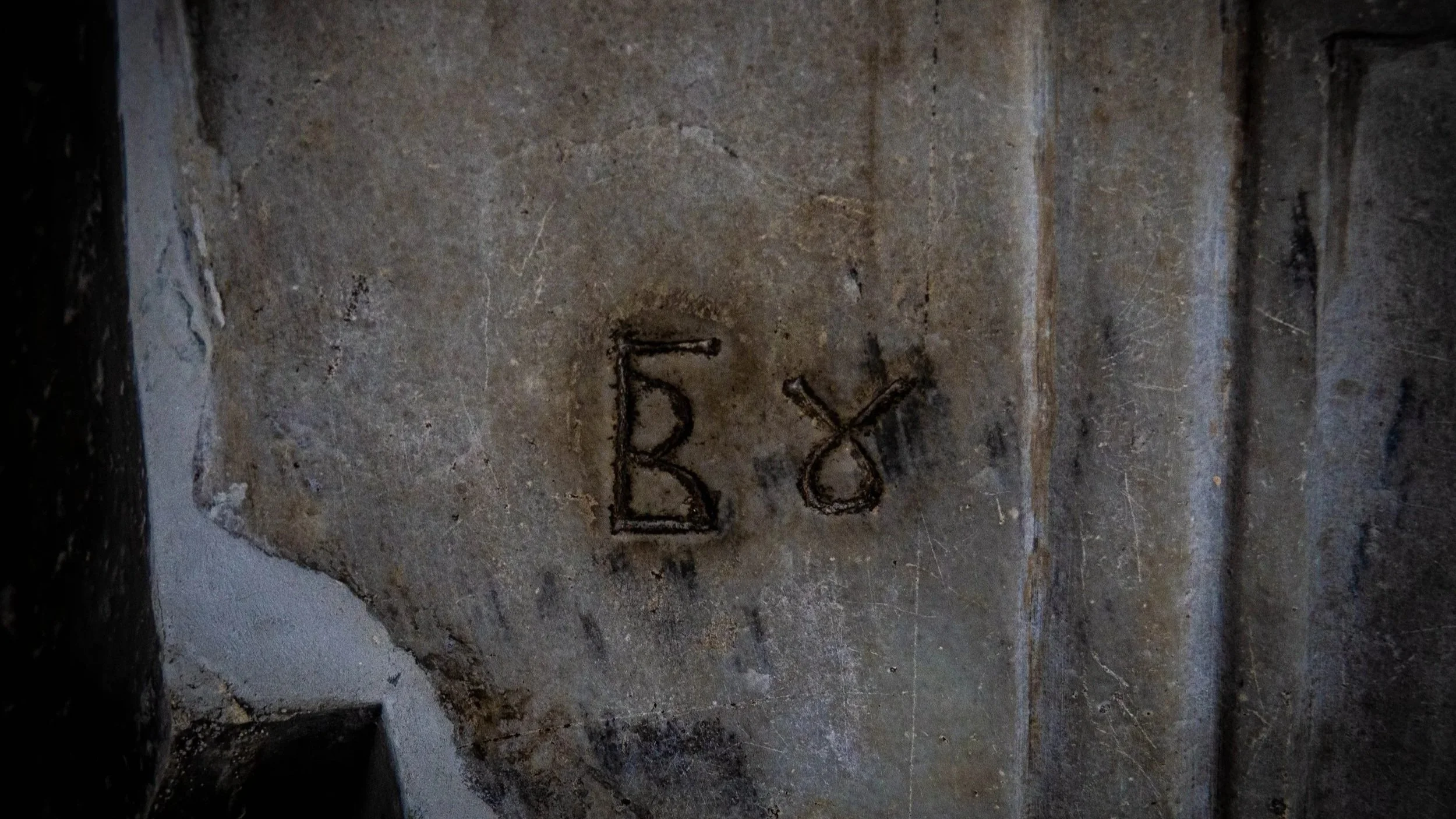
Viking graffiti - "Halfdan was here"
Turns out, tourists pulling out pocketknives to leave their mark isn’t a modern trend—the Vikings were doing it over a thousand years ago right inside the Hagia Sophia.
If you make your way up to the marble handrails of the upper south gallery, look closely and you’ll find ancient runic graffiti carved straight into the stone. Back in the 9th century, Scandinavian warriors traveled all the way down Eastern European rivers to Constantinople (which they called Miklagard, or "The Great City"). The Byzantine Emperor was so blown away by their battle skills that he hired them as his elite personal bodyguards, known as the Varangian Guard.
During long, drawn-out imperial church services, a guard named Halfdan got a little bored, pulled out his blade, and etched his name into the marble. Fast forward ten centuries, and the 9th-century equivalent of "Halfdan was here" is still preserved under glass in one of the most famous mosques on Earth. A wild, physical crossover between Norse warriors and Byzantine history that most visitors walk right past. Next time you’re in Istanbul, look out for it.